Singapore’s tropical climate and urban environment offer a perfect opportunity for pests to thrive and multiply. These unwelcome guests multiply faster and, in no time, become a massive headache for property owners and residents alike. One must opt for pest control services in Singapore to safeguard their property, offices and businesses. This comprehensive guide explores tips and strategies for keeping your property and establishment safe and pest-free. Pestopia provides the best pest control service in Singapore at an affordable price
Common Pests in Singapore
Before discussing the methods of pest control services and ways to keep pests away, let’s understand some common types of pests found in the city.
Rodents: Rats and mice enter the property even through a small hole or gap. They reproduce faster, create havoc on the property, and spread diseases
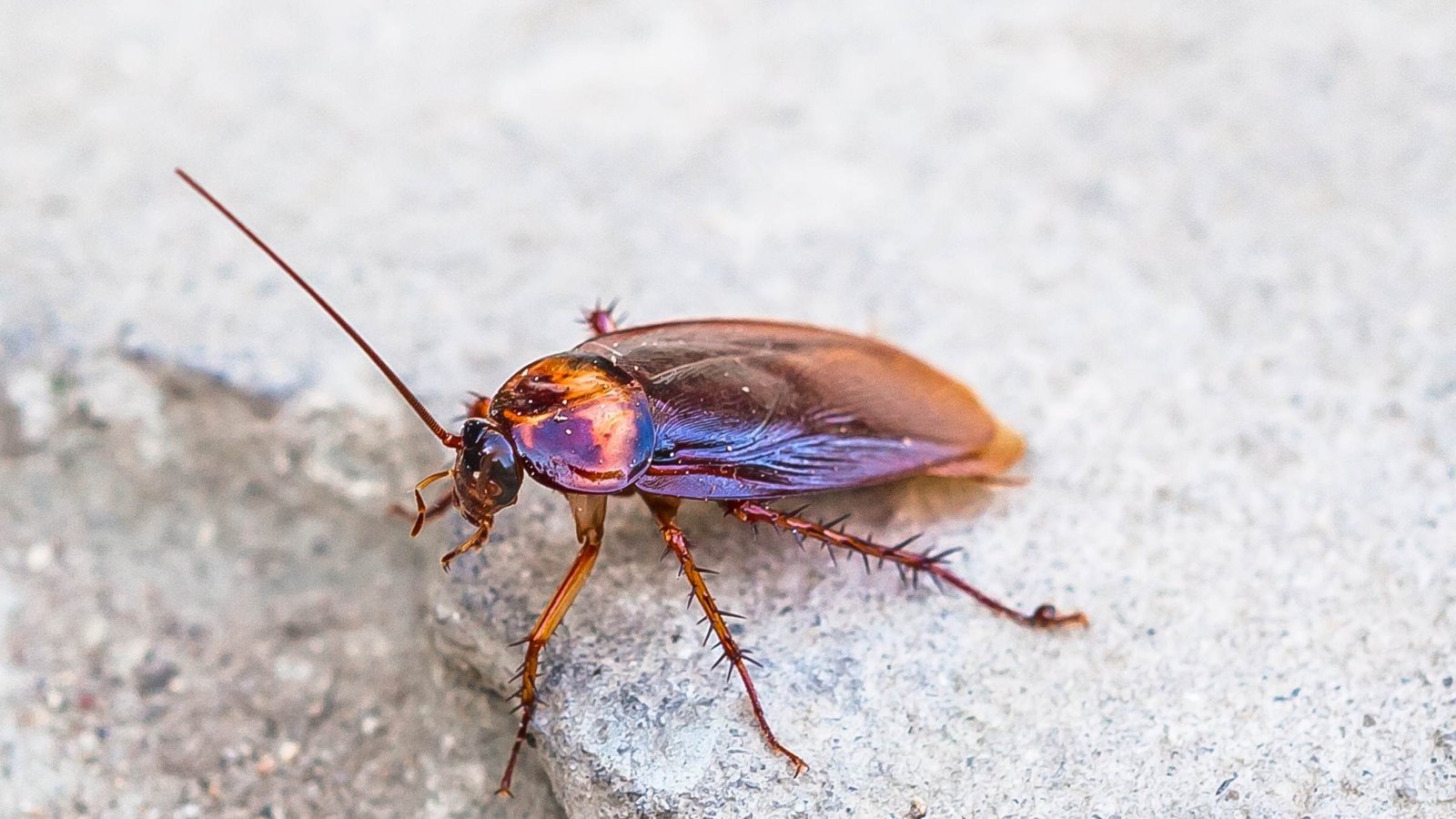
Cockroaches: These are some of the most resilient and notorious insects that spread diseases and contaminate food. They only come to light when overpopulated, and there is no space to hide them in your property.
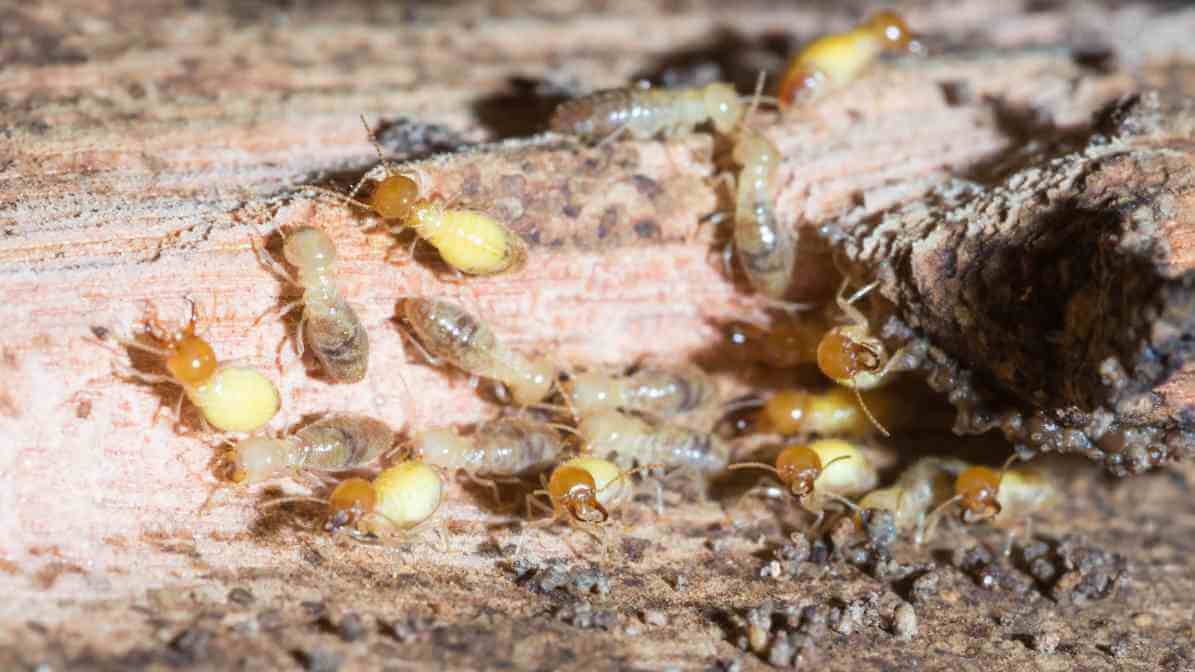
Termites: These are silent destroyers and damage wooden structures and furniture. Getting rid of them once they’ve entered your property is challenging.
Ants: Singapore hosts a variety of ants—from ghost and pharaoh ants to crazy and fire ants. These tiny invaders thrive in humid spots, drawn to food and moisture, making homes and buildings prime real estate for their nests!
Mosquitoes: Given Singapore’s climate and environment, mosquitoes are common and a constant concern. They carry the risk of dengue and other mosquito-borne illnesses.
When to engage with pest control services?
Engaging with pest control services at the right time is crucial for maintaining a safe, clean, and pest-free environment. Pest control should be considered at the first signs of an infestation, even if these signs seem minor. Indicators such as droppings, chew marks, odd smells, nesting materials, or visible pests often mean that pests have already established a presence and may be reproducing rapidly. By acting early, property owners can prevent the problem from escalating, avoiding extensive damage, costly repairs, and potential health risks associated with pests like rodents, cockroaches, and ants.
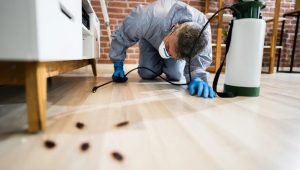
Role of Pest Control Services
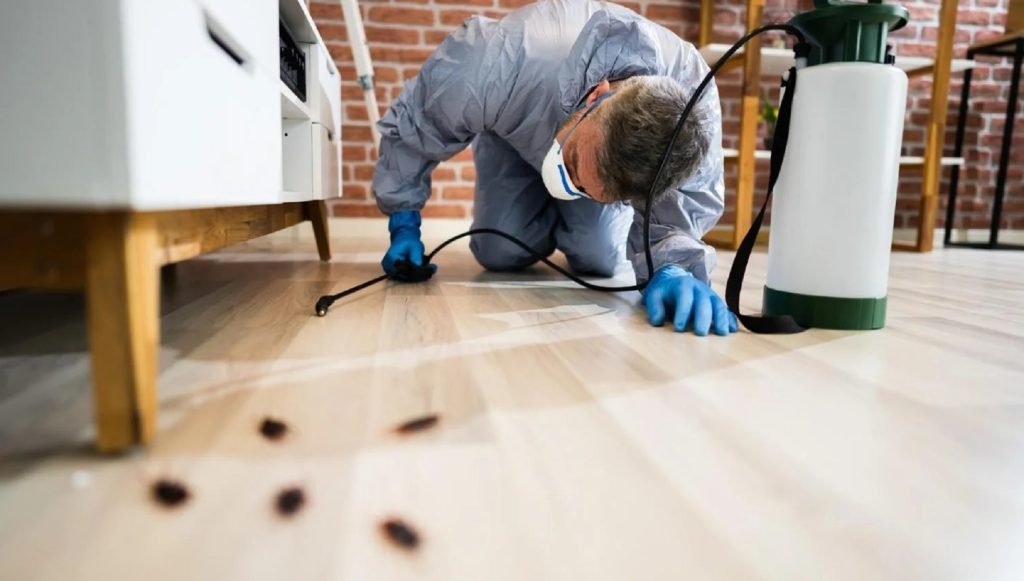
Professional pest control services aim not only to eliminate current infestations but to implement effective strategies to prevent pests from returning. Top-tier providers in the industry apply Integrated Pest Management (IPM)—a structured, environmentally responsible approach to pest control that combines multiple control methods for comprehensive and sustainable results. IPM represents the gold standard in pest management because it balances efficacy with a commitment to safety and environmental health.
Types of Pest Control Services
In Singapore, pest control services contracts are typically structured to address varying needs and levels of pest activity, with the main types being one-time services, annual contracts, and specialized service packages. Here’s an overview of these contract types, their rationale, and some examples of the kinds of pests they address:
- One-Time Services
- Duration: Single treatment session or short-term visits typically (one day or just a couple of treatments).
- Purpose: Designed to eliminate immediate pest problems without ongoing commitment. This is ideal for sudden infestations that need urgent attention, especially when the property does not have a consistent pest presence.
- Common Usage: Often used for isolated cases of pests like drywood termites, termite mounds, bees, and bedbugs, etc., which can be treated quickly and effectively with a single or a few applications.
- Example: A homeowner noticing bed bug bites and some blood stains might choose a one-time treatment to eliminate the infestation. Similarly, a facility that encounters a beehive might opt for this type to either look at the hive removal or beehive relocation without a recurring contract.
- Contracts
- Duration: Typically 12 – 36 months, with scheduled visits monthly, bi-monthly, or quarterly depending on the need.
- Purpose: Annual contracts are intended for consistent pest prevention and monitoring, providing regular treatments and inspections to keep pests at bay. This type of contract is highly recommended for most environments that are likely to be at risk of recurring pest issues or those that are required by regulation to maintain pest-free conditions.
- Common Usage: Most homes and businesses.
- Example: Food and beverage outlets often engage in annual contracts to comply with health standards, receiving regular treatments to prevent rodent and cockroach infestations. Similarly, warehouses and grocery stores commonly use annual pest control service contracts to protect against stored-product pests and maintain a pest-free environment. Homes will require long-term termite contracts so as to protect its home value.
- Specialized Contracts (Targeted Pests or Sectors)
- Duration: Varies; typically annual or semi-annual but tailored to specific needs.
- Purpose: Specialized pest control services contracts are customized for certain pests or sectors requiring targeted treatments or unique pest management approaches. These contracts address pests that need tailored attention, such as cockroaches, rodents or subterranean termites and often involve advanced treatments.
- Example: Shopping Malls may require systems like rodent surveillance technology, like RATSENSE, to ensure that their tenants are informed early on rodent insurgence. Hotels may adopt bed bug management contracts to ensure rooms are regularly inspected and treated, protecting guests and preventing spread.
- Rationale for Each Contract Type
- One-Time Services: Suitable for properties experiencing isolated pest issues, this option is economical and effective for urgent, short-term solutions.
- Contracts: Essential for properties with ongoing pest pressures, especially in food service, healthcare, and residential settings, where regular monitoring and treatments prevent infestation buildup and help meet regulatory standards.
- Specialized Contracts: Necessary for properties facing specific pest challenges or operating in high-risk sectors. These tailored solutions ensure pest-specific strategies are applied, reducing the chance of serious infestations and maintaining safety standards.