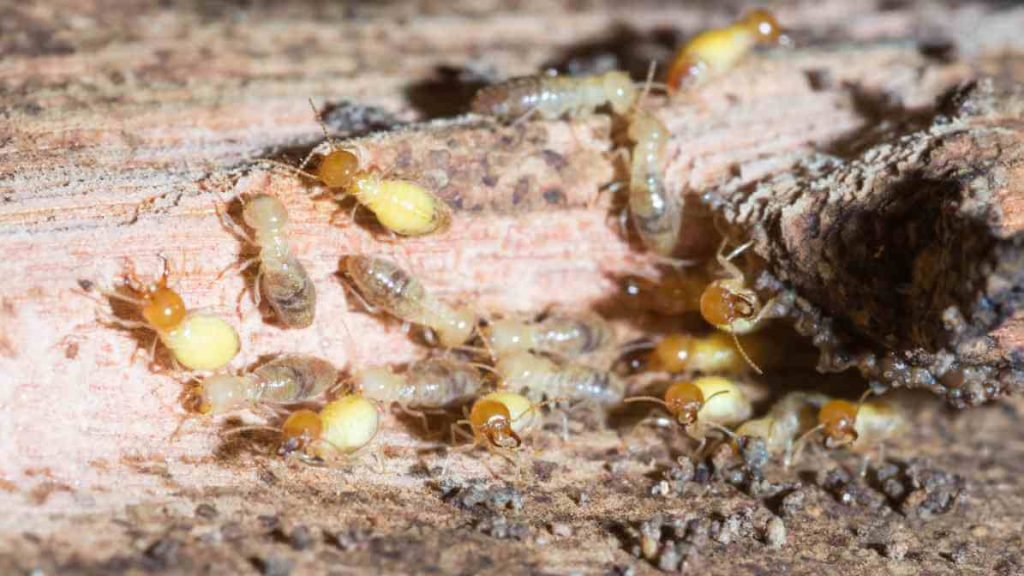
Because of the country’s hot, humid climate, termites are one of the most destructive pests in Singapore., Their colonies thrive year-round — silently feeding on wooden structures and causing costly structural damage before homeowners even realize there’s a problem. If you are also suffering from the same problem, you must visit Pestopia, which is the best termite treatment service provider in Singapore.
Common Types of Termites in Singapore
Understanding the species helps determine the most effective control method.
1. Subterranean Termites
These are the most destructive species locally. They:
- Live underground in soil
- Build mud tubes to access food sources
- Attack foundations, beams, and concealed wood
Subterranean termites require moisture and often enter buildings through cracks in foundations or plumbing lines.
2. Damp wood Termites
These termites prefer moist, decaying wood and are less commonly found in well-maintained properties.
3. Dry wood Termites
Unlike subterranean termites, dry wood termites:
- Live entirely inside wooden structures
- Do not require soil contact
- Infest furniture, wooden doors and flooring
They are harder to detect because they live hidden within wood and may go unnoticed for long periods.
Signs of Termite Infestation:
Pestopia referring some early warning signs of termite Infestation
Look out for these early warning signs:
- Hollow-sounding wood
- Mud tubes along walls or foundations
- Discarded wings near windows or light sources
- Bubbling paint or uneven wall surfaces
- Tiny wood-colored droppings (frass)
If you notice any of these signs, immediate inspection is recommended.
Termite Control Methods in Singapore
Professional pest control is usually necessary, as DIY treatments rarely eliminate entire colonies.
1. Soil Treatment
A liquid termiticide is applied to the soil around the property’s foundation, creating a protective barrier that:
- Prevents termites from entering
- Eliminates colonies attempting to cross treated zones
This method is commonly used for landed properties and during pre-construction stages.
2. Termite Baiting Systems
Bait stations are placed around the property. Worker termites consume the bait and carry it back to the colony, gradually eliminating it.
Benefits include:
- Minimal chemical use
- Targeted colony elimination
- Suitable for residential environments
Baiting is highly effective for subterranean termites.
3. Direct Wood Treatment
For dry wood termites, treatments may include:
- Injecting termiticide foam into infested wood
- Surface treatment of exposed timber
- Localized drilling and injection
In severe cases, fumigation may be required.