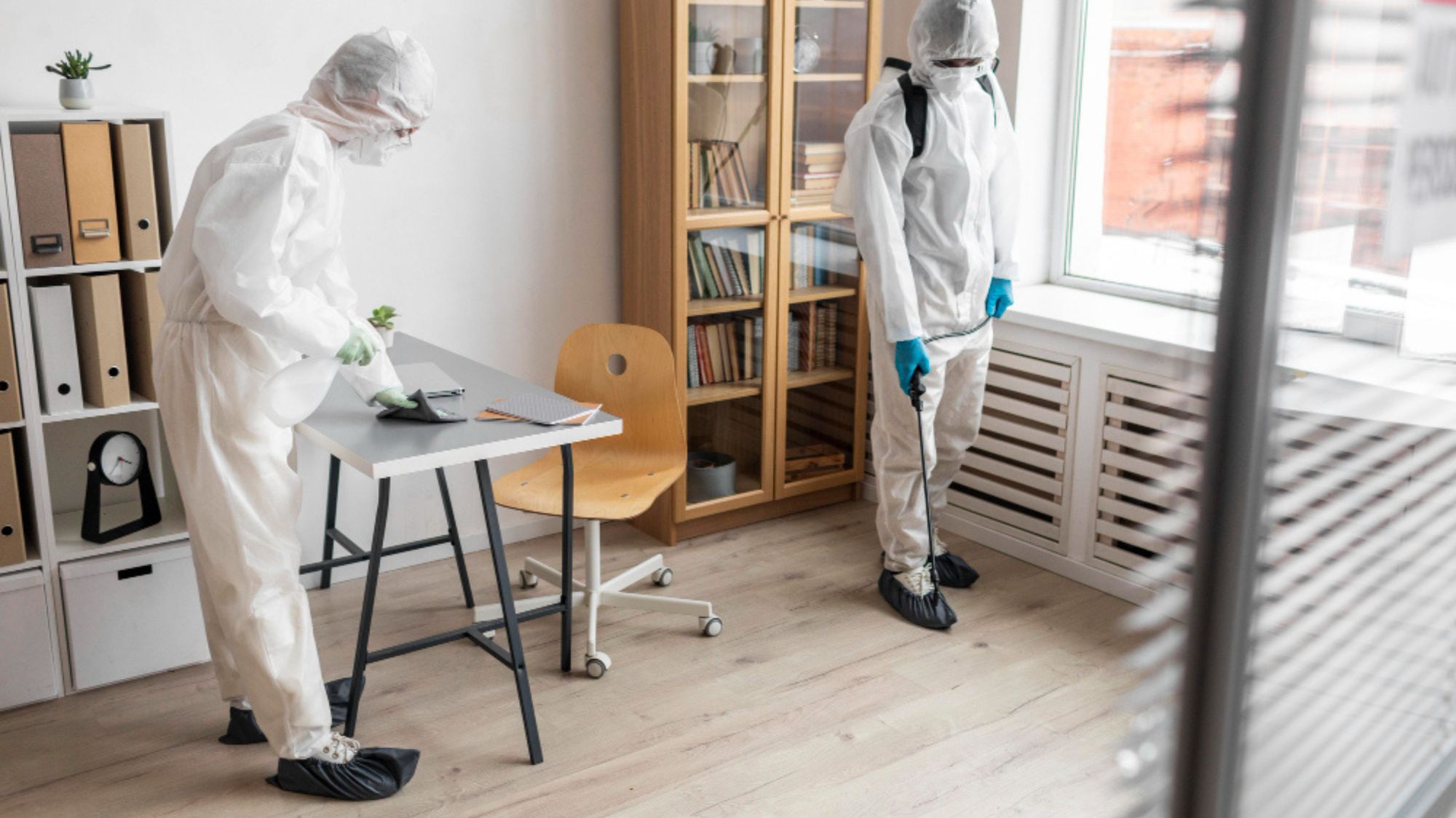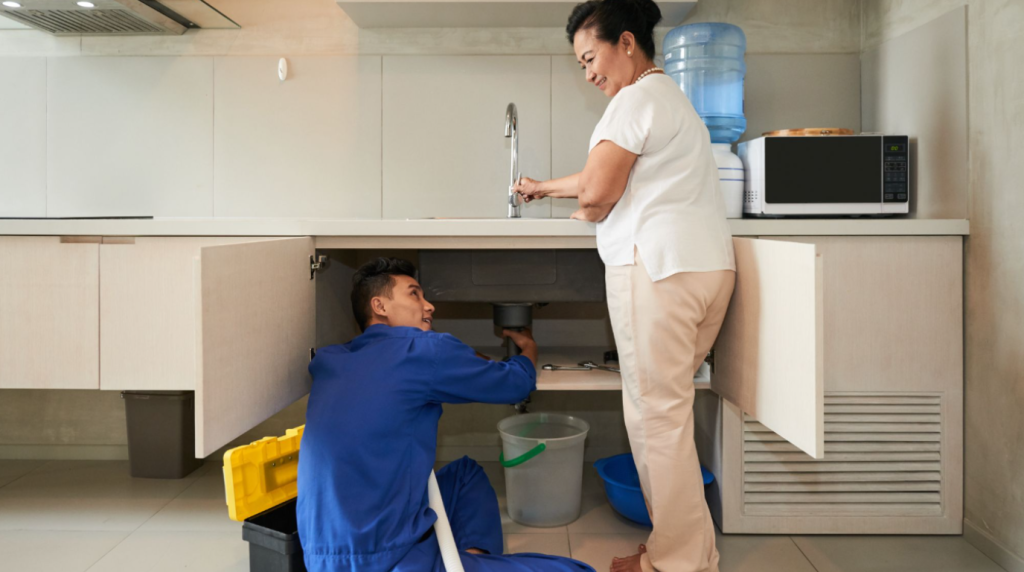
Booking a pest inspection when nothing looks obviously wrong can feel like an unnecessary expense. But a professional pest inspection in Singapore is designed to catch exactly the kind of early evidence that a quick glance around the kitchen will miss — and by the time symptoms are obvious to the untrained eye, the infestation is often already well established. Here’s what actually happens during a professional inspection, and when it genuinely earns its cost.
What a Professional Pest Inspection Actually Covers
Safe pest control in Singapore starts with an accurate picture of what’s really happening in a property, not assumptions based on a single sighting. A proper inspection is a structured process, not a quick walk-through.
The Walkthrough
The technician begins with a systematic check of the areas most prone to pest activity — kitchens, bathrooms, storage rooms, and anywhere with plumbing, since moisture and food sources are what draw most pests into a home in the first place. Entry points around windows, door frames, and utility penetrations are checked, along with any visible droppings, gnaw marks, or nesting material in concealed spaces such as behind the refrigerator or beneath the kitchen sink.
Diagnostic Checks
Beyond the visual walkthrough, a thorough pest infestation treatment assessment in Singapore often includes probing suspect timber for termite damage, checking any existing bait stations, and using a torch to examine dark, undisturbed areas that a casual inspection would miss entirely. In HDB flats specifically, particular attention goes to shared walls, ceiling voids, and pipe risers, since these are common pathways for pests moving between units.
The Written Report
What you receive afterward matters as much as the visit itself. A proper pest inspection in Singapore produces a written report: what was found, where, and what — if anything — needs treatment or ongoing monitoring. This documentation becomes a useful reference point for future visits, a record for a landlord or property agent, and in commercial settings, evidence of due diligence during a compliance audit.
When an Inspection Is Actually Worth Booking
Three situations make a pest inspection particularly worthwhile, even without a visible problem yet.
Before moving into a new home. An inspection establishes a clean baseline and catches any pre-existing issues before they become your responsibility as the new occupant.
Before renovation. Renovation work can seal termite activity or moisture issues behind new walls or flooring, turning a manageable problem into an expensive one to fix later. Catching it beforehand avoids that risk entirely.
Before renewing a lease. A written report protects both tenant and landlord by documenting a property’s condition at a specific point in time, which can matter significantly if a dispute arises later.
Professional Pest Control Singapore: What Sets an Inspection Apart from a Treatment Visit
It’s worth being clear about the distinction: an inspection is diagnostic, while a treatment visit is corrective. Professional pest control in Singapore typically starts with an inspection specifically because jumping straight to treatment without understanding the scope of an infestation often means treating symptoms rather than the actual source. A technician who sprays visible ants without locating the nest, for example, may see the problem return within days.
According to the National Environment Agency, licensed vector control work in Singapore is expected to follow an assessment-based approach rather than blanket treatment, which is part of why a proper inspection — not just a quick spray — is the professional standard for identifying and resolving pest issues effectively.
What to Expect on the Day
A typical residential pest inspection in Singapore takes between 30 and 60 minutes depending on property size, and does not require you to leave the home, though pets should ideally be kept in a separate room during the visit. At the end of the inspection, the technician should walk you through the findings verbally before the written report is sent, and any treatment recommendations should come with a clear explanation of urgency — not blanket upselling.
If what the inspection uncovers turns out to be more urgent than expected, our guide on same-day and emergency pest control in Singapore explains what happens when a routine check reveals something that needs faster action.
Room-by-Room: What Technicians Actually Look For
A useful way to understand the value of a professional pest inspection in Singapore is to see what’s actually being checked in each part of a typical home.
Kitchen. This is usually the highest-priority area, since food and moisture attract nearly every common household pest. Technicians check under the sink, behind the refrigerator, inside lower cabinets, and along skirting boards for droppings, grease marks, and gnaw damage.
Bathrooms. Moisture makes bathrooms attractive to cockroaches and, in older buildings, to booklice and silverfish. Pipe penetrations and floor traps are checked for gaps that pests could be using as entry points.
Bedrooms and living areas. Bed bug checks focus on mattress seams, bed frame joints, and skirting boards, particularly in units with recent guests, secondhand furniture, or shared laundry facilities.
Ceiling voids and roof spaces. Where accessible, these are checked for roof rat activity, droppings, and nesting material, since ceiling voids in HDB and condo units often connect to neighbouring units through shared pipe runs.
External perimeter. For landed properties, the perimeter is checked for termite mud tubes, ant nests, and any standing water that could support mosquito breeding.
This room-by-room approach is what separates a proper inspection from a cursory glance, and it’s why a thorough visit takes time rather than a rushed five-minute walk-through.
A Real Example: Catching Termites Before Renovation
A homeowner in Bukit Timah scheduled a pest inspection ahead of a planned kitchen renovation, expecting a routine clearance. The inspection uncovered early termite activity along a load-bearing timber beam that would have been sealed behind new cabinetry within weeks. Because the issue was caught before the renovation began, our team was able to schedule targeted termite treatment before any structural work began, and the beam did not need replacement. Had the inspection been skipped, the same issue would likely have gone undetected for months, hidden behind finished surfaces, and would have been considerably more expensive and disruptive to resolve once discovered.
Frequently Asked Questions
How much does a pest inspection cost in Singapore?
Costs vary by property size and pest type, but many companies, including us, offer inspections as a low-cost or complimentary first step before recommending treatment.
Do I need to be present during the inspection?
It’s recommended, since the technician may have questions about specific areas of concern, but arrangements can be made for building management or a designated representative to grant access instead.
Can an inspection detect termites before visible damage appears?
Yes — probing timber, checking for mud tubes, and moisture readings can often detect termite activity well before visible surface damage develops.
Is a pest inspection different from a home inspection for buying property?
Yes. A general home inspection covers structural and mechanical systems broadly, while a pest inspection specifically targets pest activity, entry points, and infestation risk.
How often should a property get a routine pest inspection?
For most homes, an annual inspection is a reasonable baseline, with additional inspections recommended before major life events like moving, renovating, or lease renewal.
Book Your Inspection
A pest inspection does not require a visible problem to be worthwhile — some of the most useful inspections happen precisely when nothing looks wrong yet, catching an early sign before it becomes an expensive, disruptive infestation. Our NEA-licensed technicians provide thorough, documented inspections across Singapore homes and businesses.
Contact Pestopia today to book a professional pest inspection, whether you’re moving, renovating, renewing a lease, or simply want peace of mind.