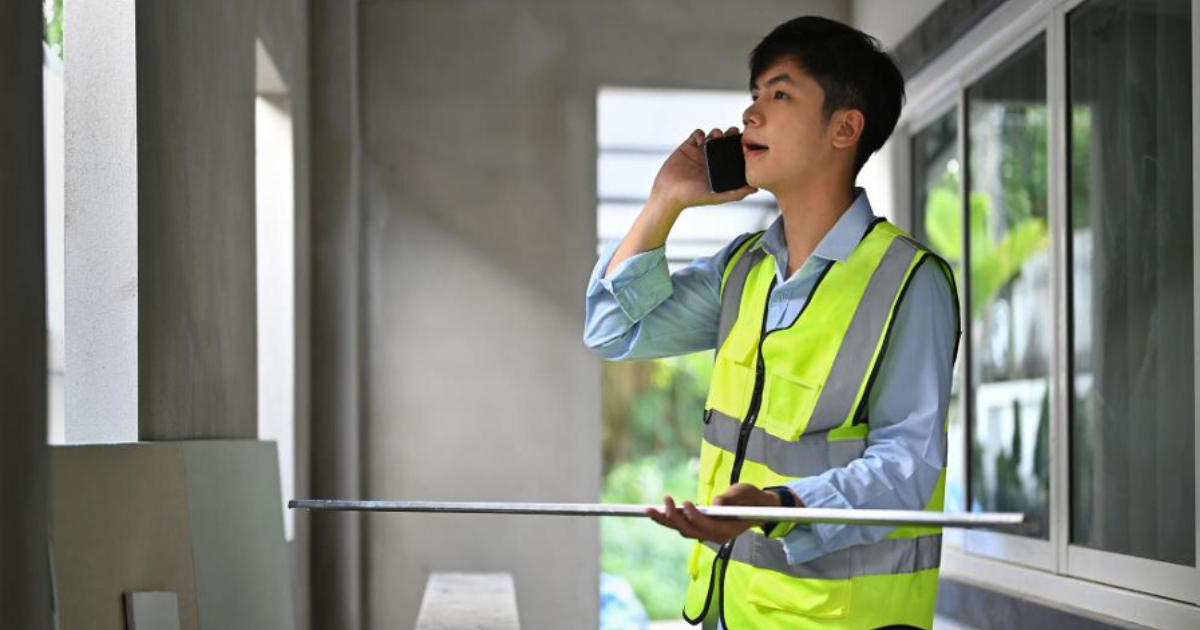
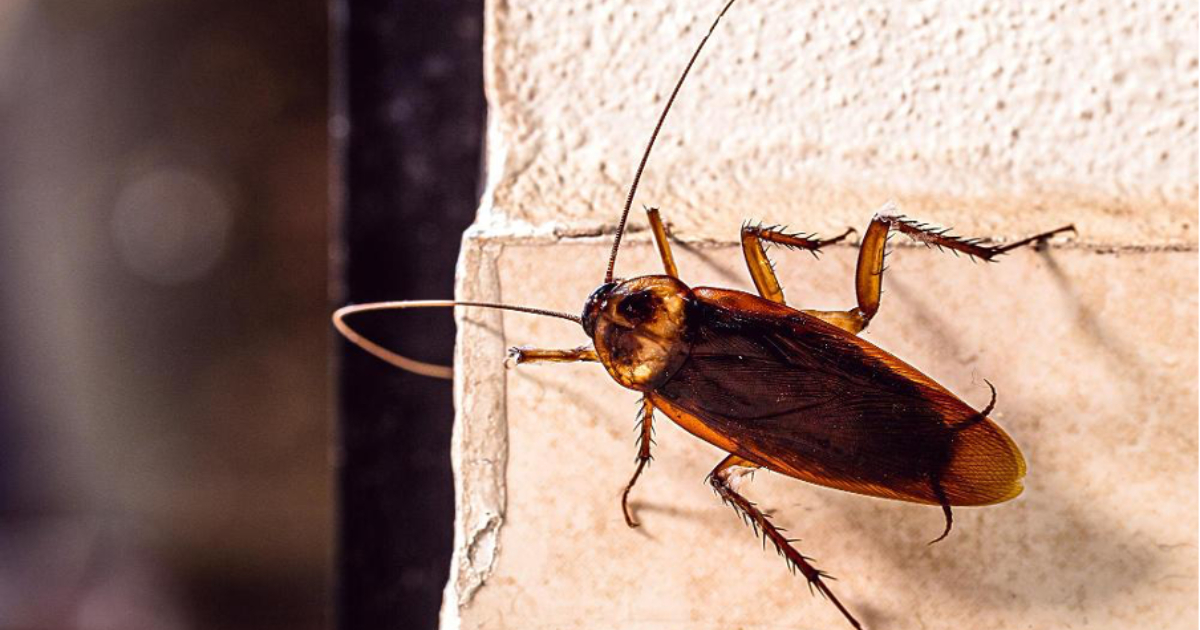
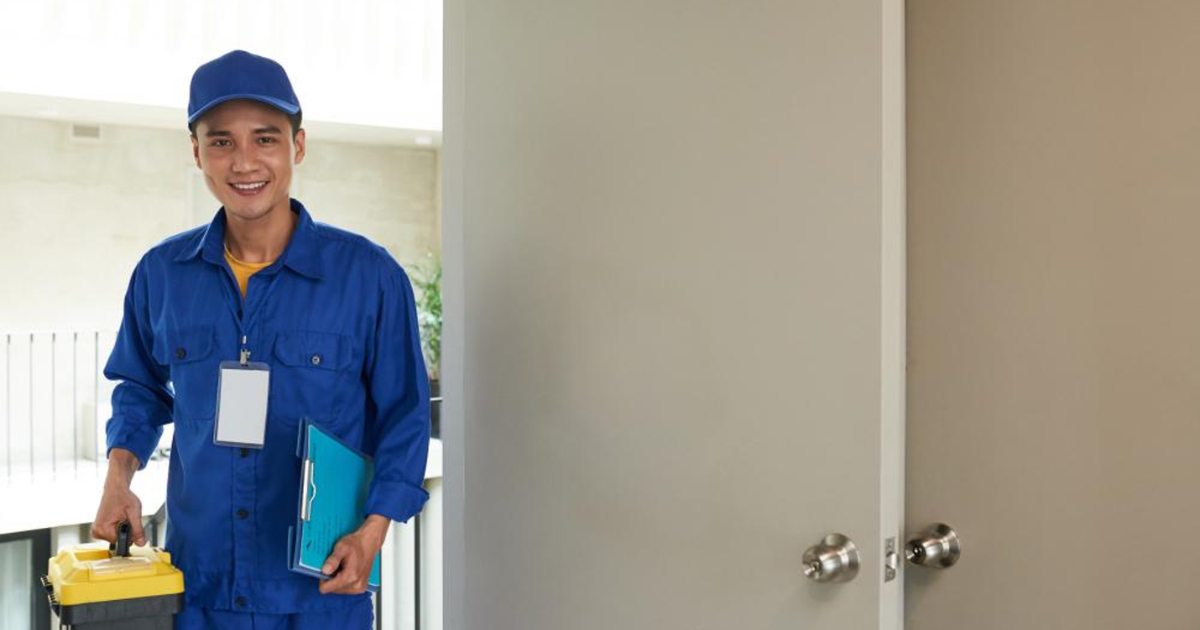
A single cockroach crawling across a restaurant dining floor. A rat dropping found near packaged goods in a warehouse. A bed bug sighting reported by an office employee.
Any one of these moments can cost a business everything.
For restaurants, a pest sighting means health code violations, closure orders, and viral social media posts that destroy years of reputation building. For warehouses, pests contaminate inventory and fail storage audits. For offices, infestations damage employee morale and raise legal liability concerns.
This is why commercial pest control Singapore is not a luxury. It is a business necessity.
Pestopia provides pest control for businesses Singapore across every industry—restaurants, warehouses, offices, factories, construction sites, and more. As an NEA approved pest control company, the team understands the specific regulations, inspection requirements, and operational constraints that commercial clients face.
Why Commercial Pest Control Is Different from Residential
Homeowners want pests gone. Business owners want pests gone, but they also need to stay open, pass inspections, protect their brand, and avoid legal trouble.
The stakes are simply higher.
Health code compliance – Restaurants and food handling businesses must meet strict Singapore Food Agency (SFA) and NEA requirements. A failed pest control audit can suspend an operating license.
Reputational damage – One customer photograph of a pest on social media can undo years of marketing. News spreads fast, and Singaporeans remember.
Inventory protection – Warehouses store thousands of dollars worth of goods. Rodents and insects destroy packaging, contaminate products, and render entire shipments unsellable.
Employee safety – Offices and factories have a duty of care to staff. Pest infestations create unsafe working conditions and potential legal claims.
Business interruption – Unlike homes, businesses cannot simply close for a week while treatment happens. Commercial pest control must be discreet, fast, and scheduled around operations.
Pestopia designs every commercial treatment plan with these factors in mind. The team works after hours, coordinates with management, and provides clear documentation for auditors and regulators.
NEA Approved Pest Control: Mandatory for Commercial Licenses
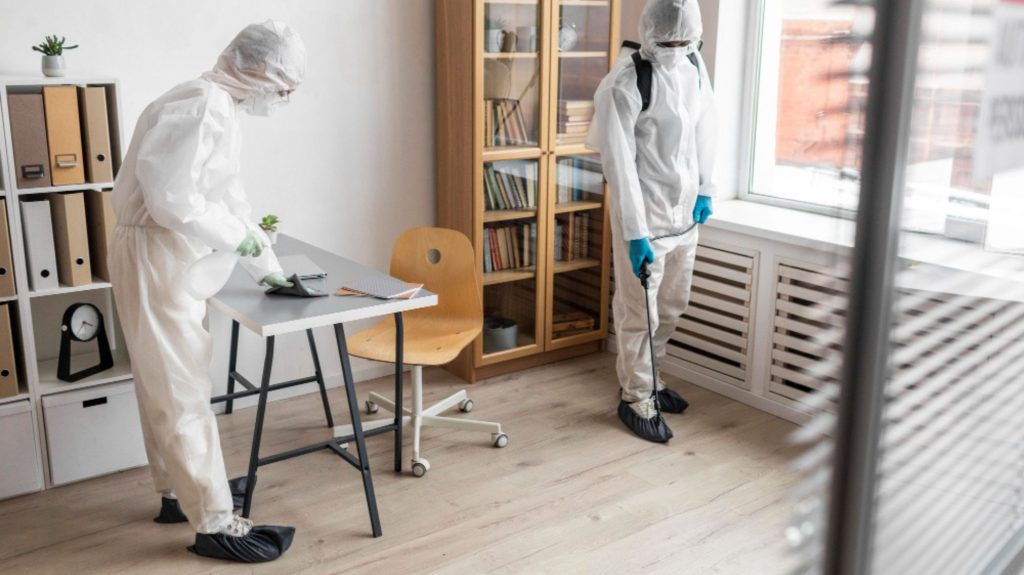
For many businesses, hiring an NEA approved pest control provider is not optional—it is a legal requirement.
The National Environment Agency requires food establishments, healthcare facilities, and certain other commercial premises to engage licensed pest control companies and maintain proper pest management records.
What NEA approval means for commercial clients:
- Technicians hold mandatory Vector Control Operator Certificates
- Only government-approved pesticides and methods are used
- Treatments follow NEA’s Code of Practice for Pest Management
- Detailed service records are provided for regulatory audits
- The company carries proper insurance and licensing
Pestopia holds full NEA licensing and certification. Commercial clients receive complete documentation after every service visit—proof of compliance for SFA, NEA, or third-party auditors.
Choosing an unlicensed pest control provider puts a business license at risk. Pestopia removes that risk entirely.
Pest Control for Restaurants Singapore: Protecting Food Safety and Licenses
Restaurants face the toughest pest control standards in Singapore. Food preparation areas, storage rooms, dining floors, and rubbish disposal zones all attract different pests. And every single one of them can trigger a health inspection failure.
Common Pests in Restaurants
Cockroaches are the number one threat. They thrive in kitchen warmth, feed on food scraps, and hide in equipment crevices. A single cockroach sighting during an SFA inspection can result in demerit points or suspension.
Rodents enter through delivery doors, drain pipes, and structural gaps. Rats and mice contaminate far more food than they eat. Their droppings carry diseases including salmonella and leptospirosis.
Flies breed in rubbish areas and drain traps. They land on food preparation surfaces, spreading bacteria from their feet and bodies.
Ants invade sugar stores, ingredient bins, and spillage areas. Pharaoh ants in particular are difficult to eliminate without professional treatment.
Stored product pests like weevils and grain beetles arrive in dry food deliveries. They multiply inside flour, rice, spices, and cereals—often unnoticed until customers complain.
Pestopia’s Restaurant Pest Control Approach
Pestopia provides pest control for restaurants Singapore that works around kitchen operations.
Pre-treatment consultation: The team visits during operating hours to identify pest hotspots, entry points, and sanitation gaps. No disruption to service.
After-hours treatment: All chemical applications happen after closing or before opening. The kitchen is restored and safe for food preparation before staff arrive.
Ongoing monitoring: Bait stations, glue boards, and insect monitors are installed in discreet locations. Pestopia checks these during scheduled visits and provides written reports.
Audit-ready documentation: Every service includes detailed records of treatments, pest findings, and recommendations—ready for SFA or NEA inspections.
For F&B businesses, Pestopia also provides pest control for restaurants Singapore that includes advice on waste management, delivery inspection protocols, and staff training on pest prevention.
Pest Control for Warehouses Singapore: Protecting Inventory and Storage Hygiene
Warehouses present unique pest control challenges. They are large, contain abundant hiding places, and store goods for weeks or months. Once pests establish themselves in a warehouse, eliminating them requires systematic effort.
Common Pests in Warehouses
Rodents are the biggest threat. Rats and mice gnaw through packaging, contaminate products with urine and droppings, and damage electrical wiring. A single rat colony can destroy thousands of dollars of inventory.
Stored product insects including weevils, flour beetles, and cigarette beetles live inside dry food packaging. They arrive in shipments and spread throughout the warehouse.
Cockroaches hide in pallets, racking systems, and floor drains. They feed on spillage and cardboard debris.
Birds nesting in warehouse rafters create sanitation hazards from droppings and nesting materials.
Pestopia’s Warehouse Pest Control Approach
Pestopia provides pest control for warehouses Singapore designed for large-scale facilities.
Comprehensive inspection: Technicians survey the entire warehouse, identifying pest entry points, harbourage areas, and vulnerable inventory zones.
Rodent control programme: Heavy-duty bait stations are placed around the building perimeter and inside the warehouse (in lockable, tamper-resistant boxes). Rodent control Singapore and rat control Singapore are core services for warehouse clients.
Insect monitoring: Pheromone traps for stored product pests are installed near dry goods storage. Glue boards capture crawling insects moving along walls and racking.
Scheduled treatments: Pestopia works around warehouse operating hours. Treatments are coordinated with inventory movements to avoid contamination.
Documentation for audits: Warehouses storing food products require pest control records for third-party audits (BRC, FSSC 22000, HACCP). Pestopia provides detailed service reports suitable for any certification body.
For pest control for factories Singapore, Pestopia applies the same systematic approach to manufacturing facilities, production floors, and raw material storage areas.
Pest Control for Offices Singapore: Discreet Treatments During Business Hours
Office pest problems are different. The stakes are lower than restaurants or warehouses—no food safety licenses at risk—but the reputational and employee relations damage is significant.
Common Pests in Offices
Ants invade pantry areas, desk drawers, and breakrooms. They follow scent trails throughout the office.
Cockroaches hide in pantry cabinets, under vending machines, and behind office furniture. They emerge at night, leaving droppings on desks and keyboards.
Rodents enter through lift shafts, false ceilings, and service ducts. Employees hearing scratching in the walls or finding droppings at their desks creates serious morale issues.
Bed bugs arrive via employee bags, visitors, or second-hand furniture. An office bed bug infestation can spread quickly between cubicles and require building-wide treatment.
Mosquitoes breed in office planter trays, pantry drains, and lift lobbies. Employees working late hours are most vulnerable.
Pestopia’s Office Pest Control Approach
Pestopia provides pest control for offices Singapore with minimal disruption to business operations.
Discreet treatments: Gel baits and insect monitors are applied in pantries and breakrooms without disturbing workstations. Heavy chemical treatments happen after hours or on weekends.
Building-wide coordination: For offices in shared buildings, Pestopia works with building management to address common area pest issues that affect multiple tenants.
Employee communication: The team provides clear notices for staff about treatment areas, safety precautions, and any temporary pantry closures.
Regular monitoring: Scheduled quarterly visits keep office pest problems from developing. Early detection prevents embarrassing infestations.
For pest control for businesses Singapore in office settings, Pestopia focuses on prevention and discretion. No employee should feel uncomfortable at their desk.
Pest Control for Other Commercial Settings
Pestopia serves commercial clients across many industries beyond restaurants, warehouses, and offices.
Pest Control for Factories Singapore
Manufacturing facilities face pest risks that vary by product type. Food factories require restaurant-level standards. Electronics factories need dust-free treatments that do not contaminate sensitive components. Textile factories must protect raw materials from fabric pests.
Pestopia develops custom programmes for each factory type, working around production schedules and cleanroom requirements.
Pest Control for Construction Sites Singapore
Active construction sites attract rodents seeking shelter and food from worker break areas. Pestopia provides perimeter baiting and regular inspections to keep sites pest-free before building handover.
Pest Control for Hotels and Hostels
Hotels need bed bug protocols, restaurant pest control, and guest room monitoring—all delivered discreetly. Pestopia serves hospitality clients with after-hours services and guest-complaint response teams.
Pest Control for Healthcare Facilities
Clinics, nursing homes, and dental offices require the strictest safety standards. Pestopia uses only low-toxicity methods approved for sensitive environments.
Why Businesses Trust Pestopia for Commercial Pest Control
Pestopia is the trusted pest control Singapore partner for businesses across the island. Here is why commercial clients stay with Pestopia year after year.
NEA licensed and approved – Mandatory for food businesses and healthcare facilities. Pestopia holds all required certifications.
Industry-specific expertise – Restaurant pest control is different from warehouse pest control. Pestopia understands each industry’s unique risks and regulations.
Audit-ready documentation – Every service visit generates detailed reports suitable for SFA, NEA, or third-party auditors.
Discreet and flexible scheduling – Treatments happen after hours, on weekends, or during low-traffic periods. Business operations continue without interruption.
Proactive prevention – Pestopia does not just treat existing problems. The team identifies vulnerabilities and recommends structural or operational changes to prevent future infestations.
Emergency response – Pest sightings during business hours require immediate action. Pestopia offers fast pest control Singapore and emergency pest control Singapore for commercial clients.
Compliance and Legal Requirements for Singapore Businesses
Singapore has strict pest control regulations for commercial premises. Business owners should understand these requirements.
Food establishments (restaurants, cafes, food courts, caterers):
- Must engage an NEA licensed pest control Singapore company
- Must maintain pest control service records for SFA inspection
- Pest sightings during inspection result in demerit points
- Repeated offences can suspend or revoke the food license
Warehouses storing food products:
- Must have documented pest control programmes
- Third-party audits (BRC, FSSC 22000) require detailed pest management records
- Rodent and insect monitoring data must be trended and reviewed regularly
Healthcare facilities:
- Must follow MOH guidelines for pest management
- Bed bug and rodent protocols must be in place
- Chemical use restrictions apply in patient areas
All commercial premises:
- Must address pest issues promptly when reported
- Failure to maintain pest-free conditions can result in NEA enforcement action
Pestopia helps commercial clients meet every requirement. The team provides complete documentation, advises on corrective actions, and works with regulators when needed.
Frequently Asked Questions (FAQs)
1. Is pest control mandatory for restaurants in Singapore?
Yes. The Singapore Food Agency (SFA) requires all food establishments to have effective pest control measures in place. Engaging an NEA approved pest control company and maintaining service records is standard practice during food safety inspections. Pestopia provides pest control for restaurants Singapore that meets all regulatory requirements.
2. How often should a warehouse schedule professional pest control?
For warehouses storing food products, monthly visits are standard. For general warehouses, quarterly treatments with ongoing monitoring are usually sufficient. Pestopia assesses each facility’s risk level and recommends a schedule. Rodent control Singapore programmes often require more frequent bait station checks than insect monitoring.
3. Can office pest control treatments happen during business hours?
Yes, for most treatments. Pestopia uses gel baits and insect monitors in office pantries and breakrooms that are safe for employees. Heavy chemical treatments or fumigation are scheduled after hours or on weekends. The team always provides clear safety instructions and notices for staff.
4. What should a business do if a customer spots a pest on the premises?
Remain calm. Acknowledge the concern professionally. Investigate immediately. If the sighting is confirmed, contact Pestopia for emergency pest control Singapore same-day service. Document the incident and any corrective actions taken. For restaurants, preserve any evidence for SFA if required. Pestopia helps commercial clients manage both the pest problem and the customer communication.
5. How does Pestopia handle pest control for factories with sensitive equipment?
Pestopia develops custom protocols for factories. The team avoids liquid sprays near electronics or production lines, uses dust formulations in wall voids where appropriate, and coordinates treatments during scheduled maintenance shutdowns. For pest control for factories Singapore, safety and product integrity come first.
6. What documentation does Pestopia provide for commercial clients?
Every service visit generates a detailed report including: pest species identified, treatment methods used, products applied, locations treated, monitoring device readings, recommendations for sanitation or structural repairs, and technician signatures and license numbers. These reports satisfy SFA, NEA, and third-party audit requirements.
Protect Your Business with Pestopia
Pests do not care about brand reputation, health codes, or audit scores. But Pestopia does.
Pestopia provides commercial pest control Singapore services that protect businesses from the inside out. Restaurants stay compliant. Warehouses protect inventory. Offices maintain professional environments. Factories keep production lines running.
Services include:
- Pest control for restaurants Singapore – SFA compliant, after-hours treatments
- Pest control for warehouses Singapore – Rodent control, stored product pest monitoring
- Pest control for offices Singapore – Discreet, business-hour friendly
- Pest control for factories Singapore – Custom protocols for sensitive environments
- Pest control for businesses Singapore – Any commercial setting
Pestopia is:
- NEA approved pest control – Mandatory for food businesses
- Professional pest control Singapore – Licensed, insured, experienced
- Fast and emergency ready – Same day service available
Contact Pestopia today for a commercial consultation. Visit pestopia.sg or call to speak with a commercial pest control specialist.
References
-
Pestopia. (2025). Bed Bug Extermination Singapore: How to Remove Infestations Fast.
https://pestopia.sg/bed-bug-extermination-singapore/ - Pestopia. (2025). HDB Pest Control Singapore: NEA Approved Condo Solutions.
https://pestopia.sg/hdb-pest-control-singapore/ - Pestopia. (2025). Rodent Control Singapore: Eliminate Rats and Mice Permanently.
https://pestopia.sg/rodent-control-singapore/ - Pestopia. (2025). NEA Licensed Pest Control: What It Means for Your Business.
https://pestopia.sg/nea-licensed-pest-control/ - Pestopia. (2025). Emergency Pest Control Singapore: Same Day Service.
https://pestopia.sg/emergency-pest-control-singapore/ - Pestopia. (2025). Fast Pest Control Singapore: Same Day & Emergency Services.
https://pestopia.sg/fast-pest-control-singapore/ - National Environment Agency (NEA), Singapore. (2024). Pest Control Requirements for Food Establishments.
https://www.nea.gov.sg/our-services/pest-control - Singapore Food Agency (SFA). (2024). Food Safety Requirements for Licensed Food Establishments.
https://www.sfa.gov.sg/food-retail/food-hygiene-standards