For most businesses, pest control only becomes a priority after something goes wrong: a rat sighting during lunch service, a cockroach in a hotel room, or droppings on stored stock. A scheduled service contract is designed to stop those moments from happening in the first place. Good pest control for businesses Singapore owners and managers can rely on offers regular inspections, consistent treatment and records showing that the premises are being looked after. But contracts vary widely, and choosing one on price alone often leaves gaps that only show up during an audit or a complaint.
What Is a Scheduled Pest Control Contract?
A scheduled contract is an agreement for regular visits, usually monthly, bi-monthly or quarterly, covering inspection, treatment and reporting for specified pests. Unlike a one-off treatment, the provider monitors activity over time, adjusts the approach as conditions change, and responds to problems between visits.
The National Environment Agency encourages premises owners to engage licensed vector control operators guided by clear contract specifications, so that a comprehensive and sustained rat surveillance and control programme is carried out. NEA also publishes sample rat control contract specifications for service buyers (NEA, Rat Prevention and Control for Premises Owners). These are a useful starting point for any business comparing quotes.
What a Good Contract Should Include
Clearly Defined Pests and Areas
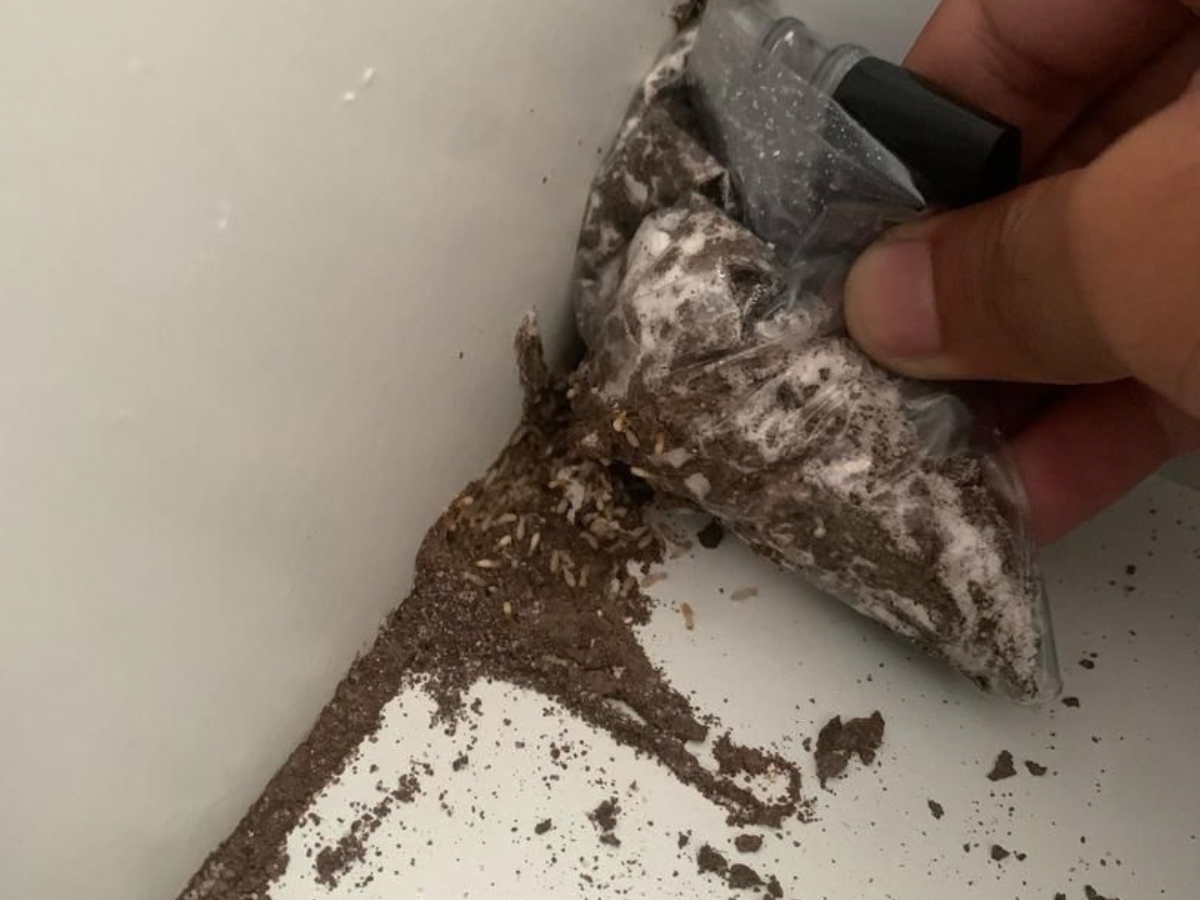
The contract should list the pests covered, such as rodents, cockroaches, ants, flies and mosquitoes, and the areas included, such as kitchens, storerooms, loading bays, bin centres and drains. Termite inspections and treatment are often quoted separately, so check whether they are included before signing.
Visit Frequency Matched to Risk
Visit frequency should reflect the risk level of the premises rather than a standard package. A busy restaurant kitchen or food factory usually needs more frequent visits than a small office.
Service Reports and Records
Each visit should end with a written report recording what was inspected, what was found, what was treated and what the business needs to fix. NEA’s guidelines for food establishments state that licensees are responsible for verifying the pest control checks done at their premises by the company they engage (NEA, Guidelines on Prevention of Rats and Cockroach Infestations at Food Establishments). Clear reports make that verification simple and give the business evidence during audits.
Response Between Visits
Pests do not wait for the next scheduled visit. A good contract states how quickly the provider will respond to a sighting or complaint between visits. For situations that cannot wait, [LINK TO: Post 23 — 24-Hour & Emergency Pest Control in Singapore: Which Pest Problems Can’t Wait Until Morning?] explains which problems need same-day attention.
Proofing and Housekeeping Recommendations
A professional pest control Singapore provider does more than treat. It identifies structural gaps, poor refuse management and housekeeping issues that attract pests, and records them as action items for the business to fix.
How Visit Frequency Varies by Premises Type
F&B Outlets and Food Factories
Food handling areas carry the highest risk and face the strictest expectations. Monthly visits are a common baseline, with more frequent visits for high-volume kitchens or premises with a history of activity. Rodent and cockroach control are the core priorities, alongside fly control in food preparation areas.
Offices
Offices are generally lower risk, but pantries, food deliveries and waste left overnight can still attract cockroaches, ants and rodents. Bi-monthly or quarterly visits, scheduled outside working hours to avoid disruption, are typical.
Warehouses and Logistics Sites
Warehouses face rodent risk from stored goods, open loading bays and quiet areas at night. A network of bait stations around the perimeter, combined with regular monitoring, is usually the core of the programme. Our rodent control for warehouses page explains how these programmes are set up.
Whole Buildings and Common Areas
For building pest control Singapore MCSTs and managing agents arrange, the focus is on shared areas: bin centres, refuse chutes, car parks, risers, drains and landscaping. Mosquito breeding checks matter here too, especially in drains, gully traps and water features, which is why mosquito control is often included in building contracts.
How to Choose a Trusted Provider
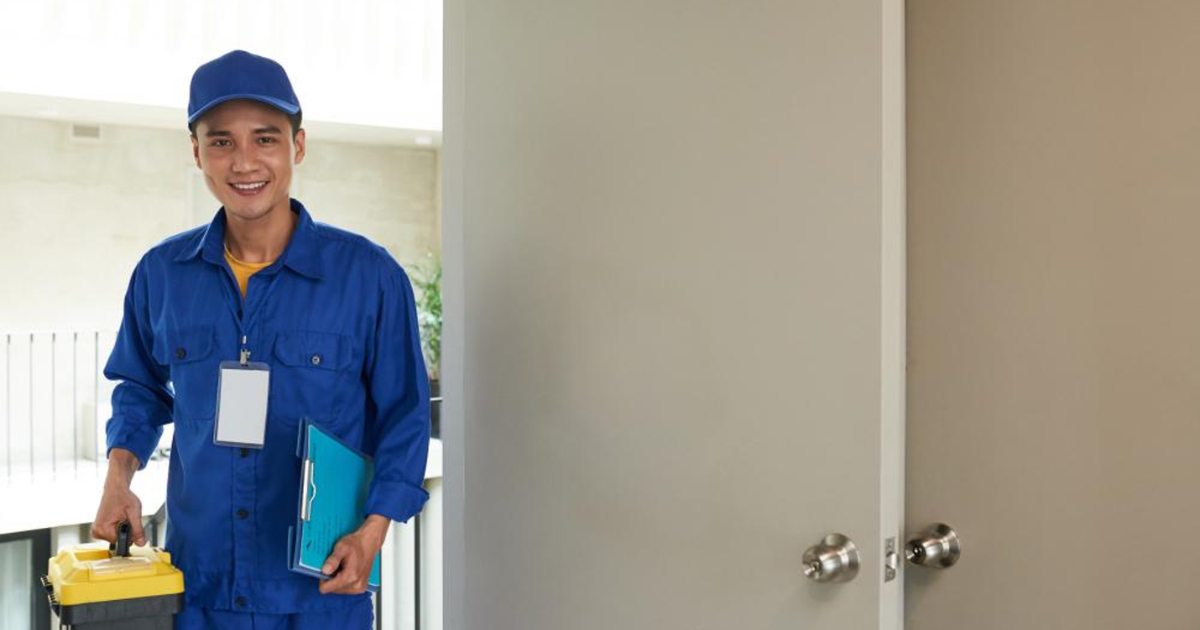
When comparing quotes, look beyond the monthly fee. A trusted pest control Singapore provider should hold the relevant NEA licence and use trained, registered technicians. It should inspect the premises before quoting rather than quoting over the phone, and be willing to share a sample service report so you know what you will receive.
The provider should also explain the products used, the safety precautions and any re-entry times, state its response times for callouts between visits, and have experience with similar premises. NEA’s Code of Practice sets out the responsibilities of vector control operators, technicians and workers, and is a useful reference for what professional practice should look like (NEA, Code of Practice).
How a Contract Supports Audits and Inspections
For many businesses, the biggest benefit of a contract is not the treatment itself but the paper trail. When an inspector, auditor or landlord asks how pests are managed, a business with a contract can show dated service reports, a site plan of bait stations and traps, a record of the products used, and proof that recommended fixes were carried out.
This matters most in food businesses, hotels and facilities that handle stored goods, where a single sighting can raise questions about the whole operation. Keeping reports in one folder, physical or digital, and reviewing them each quarter with the provider helps spot patterns early, such as rodent activity that keeps returning near the same loading bay. Reviewing trends this way turns pest control from a recurring cost into a measurable part of how the premises are run.
Common Mistakes When Buying a Contract
Choosing on price alone often means fewer visits, less time spent inspecting and thin reports. Another common mistake is signing a contract that covers the premises but not nearby shared areas such as bin centres and drains, where problems often start.
Finally, many businesses file the service reports without acting on the recommendations. Pest control works best as a partnership: the provider treats and monitors, and the business fixes housekeeping and structural issues. Pestopia’s commercial pest control contracts are built around this shared approach.
Frequently Asked Questions
How often should a business have pest control?
It depends on the premises. Food businesses commonly have monthly visits, while offices may only need bi-monthly or quarterly visits. An inspection is the best way to set the right frequency.
Does a contract cover emergency callouts?
Many contracts include callouts between visits for covered pests, but the terms vary. Check the response time and whether extra visits are charged separately.
Is termite control included in a general pest control contract?
Often it is not. Termite inspection and treatment are usually quoted separately, so confirm this before signing.
What should a service report include?
Areas inspected, pest activity found, treatments applied, products used and recommendations for the business, all with the date and the technician’s details.
Can visits be scheduled outside business hours?
Yes. Most providers can schedule visits early in the morning, after closing or on weekends to avoid disrupting customers and staff.
Protect Your Business with a Plan, Not a Reaction
A well-structured contract keeps pests out, keeps records audit-ready and costs less than dealing with repeated outbreaks. Contact Pestopia to arrange a site inspection and a pest control plan matched to your premises.
REFERENCES:
- National Environment Agency. (n.d.). Rat Prevention and Control: Premises Owners. NEA Singapore. https://www.nea.gov.sg/our-services/pest-control/rat-prevention-and-control/premises-owner
- National Environment Agency. (n.d.). Guidelines on Prevention of Rats and Cockroach Infestations at Food Establishments. NEA Singapore. https://www.nea.gov.sg/docs/default-source/our-services/guidelines-on-prevention-of-rats-and-cockroach-infestations-at-food-establishments.pdf
- National Environment Agency. (2025). Code of Practice for Vector Control Operator, Technician and Worker. NEA Singapore. https://www.nea.gov.sg/docs/default-source/our-services/pest-control/vector-control-operator/code-of-practice-for-vector-control-operator-technician-and-worker96ca394d31a74736b1bbcff06cd36678.pdf