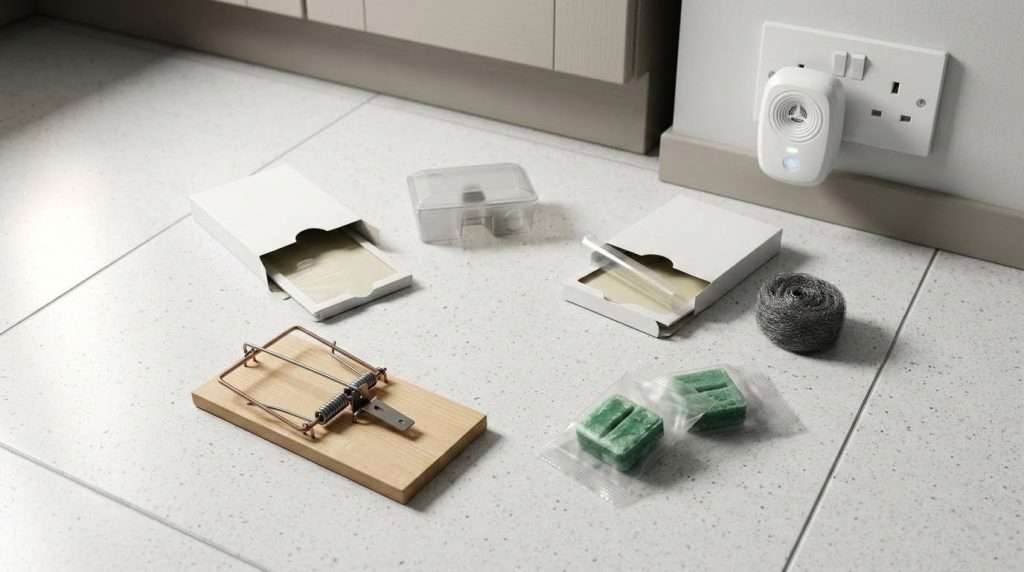
The shelves at every supermarket and hardware store carry snap traps, glue boards, poison blocks, and ultrasonic repeller devices. These products are purchased by thousands of Singapore homeowners every month.
Most of them do not work.
Not because the products are completely ineffective, but because rodent infestations are ecological problems that require systematic solutions – not a single point intervention. This article explains why common DIY attempts fail, what professional rodent elimination does differently, and how to make the cost-versus-value calculation honestly. For background on identifying which rodent you have, see our complete guide to rodent identification.
Mistake 1: Poison Bait Placed in the Wrong Location
Rodents are neophobic – they are inherently suspicious of new objects in familiar environments. A freshly placed bait station or snap trap is treated as a threat, not a food source. Rats and mice will typically avoid a new object for 5–10 days before approaching it cautiously.
Most homeowners place bait blocks in the centre of a room, on top of a counter, or at the entrance to where they saw the rodent. These are rarely the correct locations.
Rodents travel along walls, inside cabinet voids, and through fixed pathways called runways. Effective bait placement requires placing stations directly on confirmed runways – identified by grease marks, droppings, and gnaw damage. Without this knowledge, bait goes untouched.
Mistake 2: No Population Assessment
Buying two snap traps for what turns out to be a colony of twelve roof rats in the ceiling void is not a miscalculation – it is a category error. No amount of consumer-grade product is adequate for an established population.
Before any treatment, a proper infestation assessment is required. This means determining: which species is present (see the roof rat vs sewer rat guide), how large the population is, where they are nesting, and how they entered the property. Without this information, treatment is guesswork.
Professional inspections map entry points, nesting sites, runway paths, and population size. The treatment plan follows from evidence – not assumption.
Mistake 3: Failing to Seal Entry Points
This is the most common and most damaging mistake homeowners make.
Even if a DIY attempt succeeds in eliminating some or all of the current rodents in a property, new rodents will enter through the same gaps within days if those gaps remain open. Roof rats enter through gaps as small as a 50-cent coin. Mice need only 6mm – smaller than a pencil diameter.
Singapore’s densely built environment means there is always a rodent population nearby. An open entry point is a permanent invitation.
Effective rodent control requires physical exclusion – sealing every identified entry point with appropriate materials. Wire mesh, metal plates, expanding foam, and cement are used depending on the gap type and location. This step is non-negotiable.
Mistake 4: Creating Bait-Shy Survivors
When a DIY poison attempt partially works – killing some rodents but not eliminating the population – the survivors learn to avoid the bait. This phenomenon, called bait shyness, makes subsequent treatment significantly harder.
A surviving rat that watched a companion die after approaching a bait station associates that specific bait type, bait station style, and placement location with danger. It communicates avoidance behaviour to others through pheromone signals.
Professional treatments use multiple bait types in rotation, place stations at multiple points simultaneously, and use higher-quality formulations with attractants specifically designed to overcome initial neophobia. The approach prevents the selective pressure that creates bait-shy populations.
Mistake 5: Sealing Rodents Inside Walls
This is a particularly damaging mistake made during renovation projects. Homeowners notice signs of a rodent in a wall cavity and – reasonably – decide to seal the gap.
If a rat or mouse is sealed inside the cavity, it dies inside the wall.
A decomposing rodent inside a ceiling or wall creates a severe and persistent odour problem that can last 3–6 weeks. It also attracts secondary pests – blowflies, maggots, and dermestid beetles – into the wall cavity. Reaching and removing the carcass often requires opening the wall.
Professional treatment eliminates the population before any sealing work begins, ensuring no animals are trapped inside the structure.
Mistake 6: Trusting Ultrasonic Repellers
Ultrasonic rodent repellers have been sold for decades, generating consistent revenue despite consistent evidence that they do not work. Multiple studies, including reviews published by consumer protection agencies internationally, have found that ultrasonic devices produce no measurable deterrent effect on established rodent populations.
Rodents habituate to ultrasonic stimuli within days. A device that causes initial avoidance of one area simply redirects rodent movement to a different part of the same property. The population remains. The damage continues.
Ultrasonic devices are not regulated as pest control products in Singapore – they are sold as electronics and require no proof of efficacy. Do not use them as a primary or supplementary control measure.
Cost Comparison: DIY vs. Professional Over 6 Months
Typical DIY spend over 6 months of an active infestation:
- Supermarket poison blocks (repurchased monthly): $15–25/month = $90–150
- Snap traps and glue boards: $30–50 over 6 months
- Ultrasonic repeller: $40–80
- Total typical DIY spend: $160–280
- Result: Infestation still active. Entry points still open. Property damage still accumulating.
Professional rodent elimination (one-time treatment with warranty):
- Full inspection, multi-point baiting, entry point inspection, warranty: $280–450 depending on property size and infestation severity
- Rodent activity stops. Entry points advised. Warranty covers retreatment if activity returns.
The professional option is often cheaper than six months of failed DIY – and it actually works.
What NEA-Licensed Treatment Includes That DIY Cannot
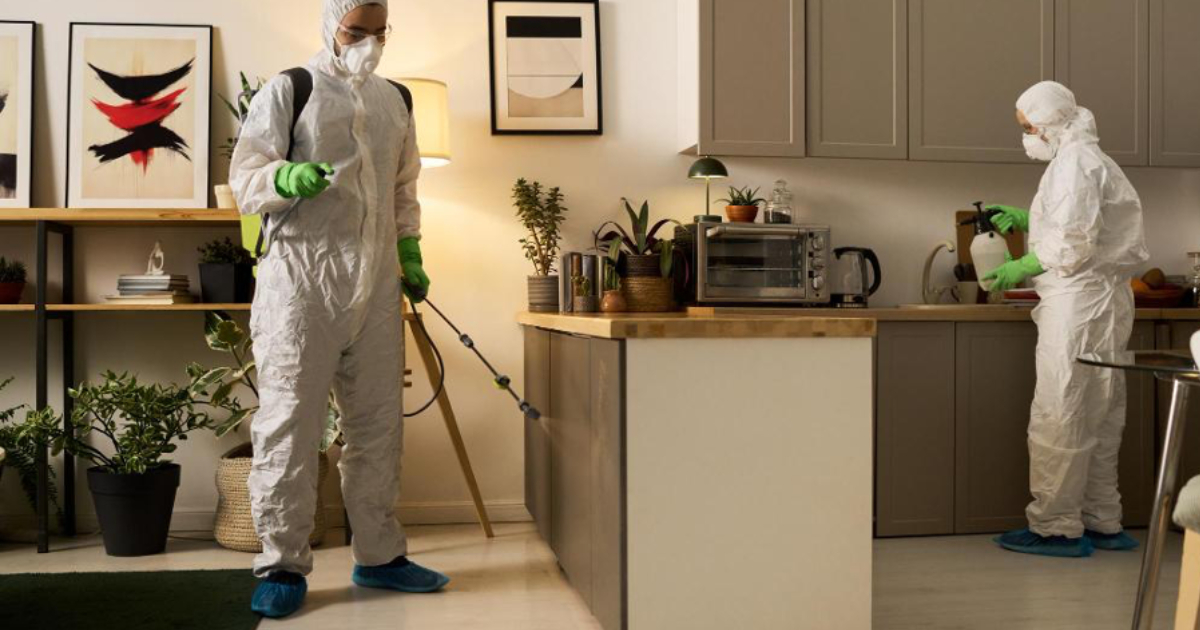
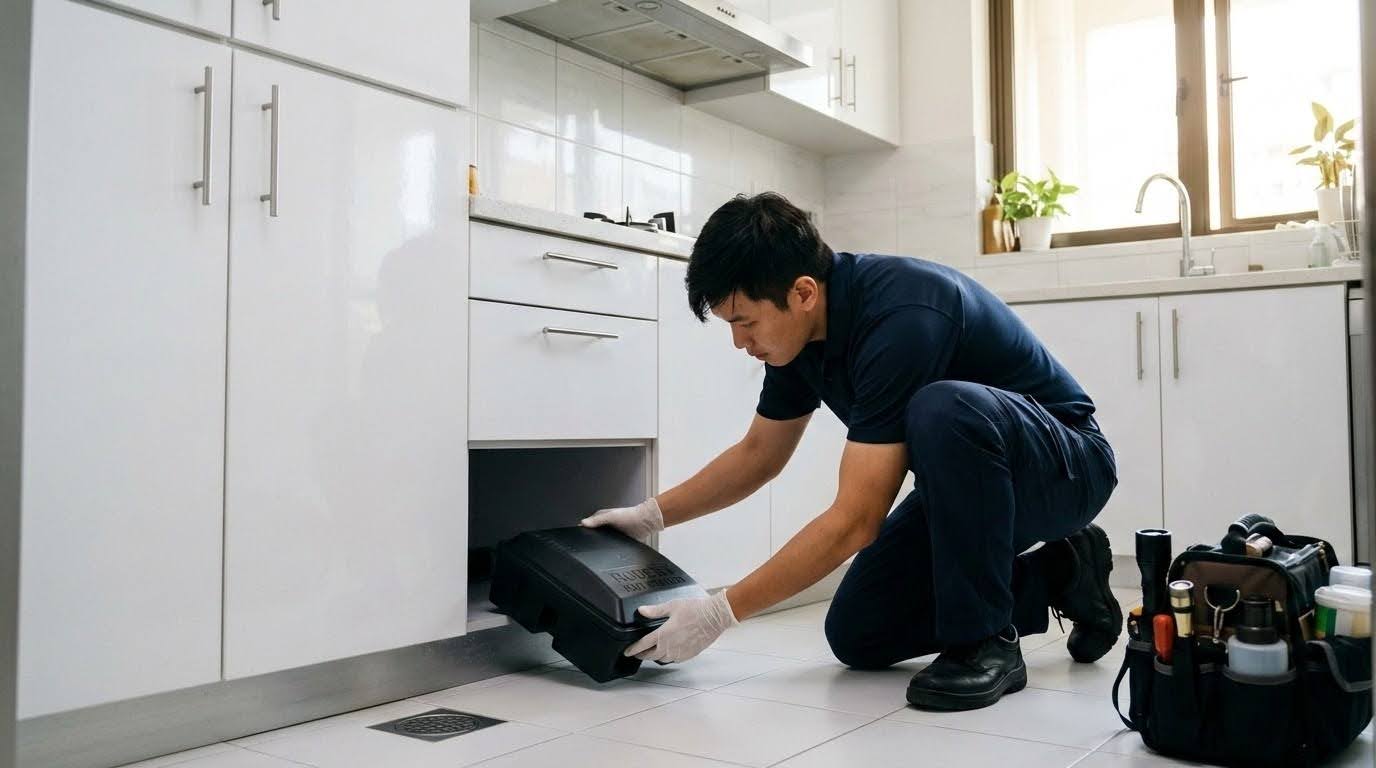
When homeowners call Pestopia for residential pest control Singapore, the treatment process includes:
- Licensed technician inspection: NEA-certified professionals trained to read rodent evidence accurately.
- Species-specific treatment protocols: Roof rat elimination is different from sewer rat elimination. The right method is applied for the right species.
- Commercial-grade bait formulations: Products not available over the counter, with proven attractants and efficacy at population scale.
- Physical exclusion work: Entry points sealed after elimination – preventing reinfestation.
- Post-treatment monitoring: Follow-up visits confirm that bait consumption has stopped and no new activity is detected.
- Warranty: Retreatment at no additional charge if rodent activity returns within the warranty period.
This is what NEA-licensed rodent removal with warranty provides. No consumer product comes close.
When Should You Stop DIY and Call a Professional?
The honest answer: before you start. Every week of an active infestation means more droppings, more gnaw damage, more contamination, and a larger population to treat.
But specifically, call a professional immediately if any of the following apply:
- Traps and bait have been in place for more than 2 weeks with no captured rodents
- Signs of rodent activity are increasing despite ongoing DIY treatment
- Scratching sounds in the ceiling or walls suggest a nest rather than a single animal
- Gnaw marks on electrical wiring have been found
- Droppings have been found in food storage areas
- Dead rodent smell from inside a wall or ceiling
Frequently Asked Questions
Can I use professional rodent bait products myself?
In Singapore, commercial-grade rodenticide formulations are restricted to licensed pest control operators. Consumer-grade products sold in supermarkets use lower concentrations and different formulations. This is one reason DIY results are consistently less effective.
Does Pestopia guarantee results?
Yes. Pestopia provides a treatment warranty. If rodent activity returns within the warranty period following a completed treatment programme, Pestopia retreats the property at no additional charge.
How long does the smell last if a rat dies inside a wall?
Between 2 and 6 weeks, depending on the size of the rat, the ventilation of the cavity, and ambient temperature. In Singapore’s heat and humidity, decomposition is faster. Professional treatment eliminates the population before sealing, avoiding this scenario.
Is it true that where there is one rat, there are more?
Yes, almost always. Rats are social animals and typically live in groups. A single sighting or single confirmation of droppings rarely indicates just one animal. A professional inspection will assess population size accurately.
Stop Spending Money on Solutions That Don’t Work
Six months of supermarket poison blocks rarely eliminates an infestation. Professional treatment, done once and done correctly, typically costs less and always achieves what DIY cannot: permanent elimination with entry points sealed and a warranty protecting the result. Contact Pestopia today for a full property inspection.
References
National Environment Agency (NEA), Singapore. (2024). Rodent Control — NEA Licensing Requirements.
Pestopia. (2025). Rodent Control Singapore — Professional Elimination with Warranty.