Cockroaches and ants are the two pests almost every household in Singapore has dealt with at some point, and they are also the two pests most commonly “treated” with a can of supermarket spray that seems to work for a few days before the problem returns. Cockroach control and ant control in Singapore require a different approach than the one most spray cans are built for, and understanding why explains why the infestation keeps coming back.
Why Spraying What You See Doesn’t Solve the Problem
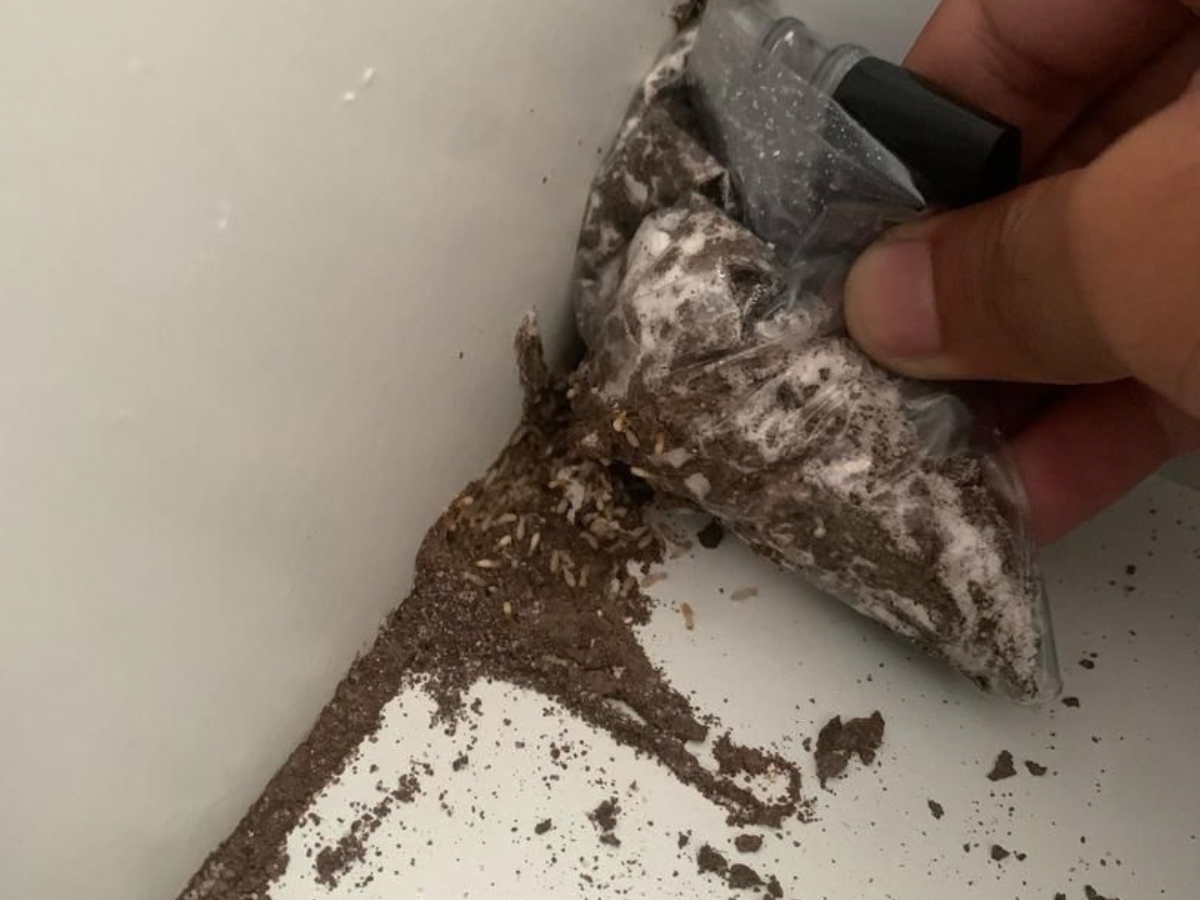
A surface spray kills the cockroaches or ants that are visible and exposed at the moment of application. It does nothing to the nest, the egg cases hidden behind appliances and inside wall voids, or the scout ants that have already returned to a colony to report a food source. Cockroaches in particular can produce an egg case containing dozens of eggs, and a single surviving case is enough to repopulate a kitchen within weeks. Spraying repeatedly against this cycle can also trigger a behavioural response known as stress dispersal, where cockroaches scatter into new areas of a home to avoid the treated zone, which is often why a “solved” infestation resurfaces somewhere unexpected a few weeks later.
How NEA-Approved Gel Baiting Actually Works
Professional cockroach control in Singapore relies primarily on gel baiting rather than surface spraying. According to the National Environment Agency, all public health pesticides used commercially in Singapore must be registered products applied by a licensed Vector Control Operator, which applies to gel baiting programmes as much as any other treatment method. A small amount of insecticide gel is placed at key points — behind appliances, along cabinet hinges, near drain access points — where cockroaches naturally travel and feed. A cockroach that feeds on the gel does not die immediately; it returns to the nest first, and through a process called the domino effect, its contaminated body and droppings are consumed by other cockroaches in the colony, spreading the effect to individuals that never contacted the bait directly. This is precisely why gel baiting reaches a nest that a spray never touches, and why professional treatment consistently outperforms DIY sprays over a multi-week period.
Ant control follows a similar logic. Visible ants on a countertop are foraging workers, not the colony itself, and eliminating them does nothing to the queen producing new workers daily. Bait formulated to be carried back to the nest — rather than repellent sprays that simply scatter the visible trail — is what actually reduces a colony over time.
Not All Cockroaches Behave the Same Way
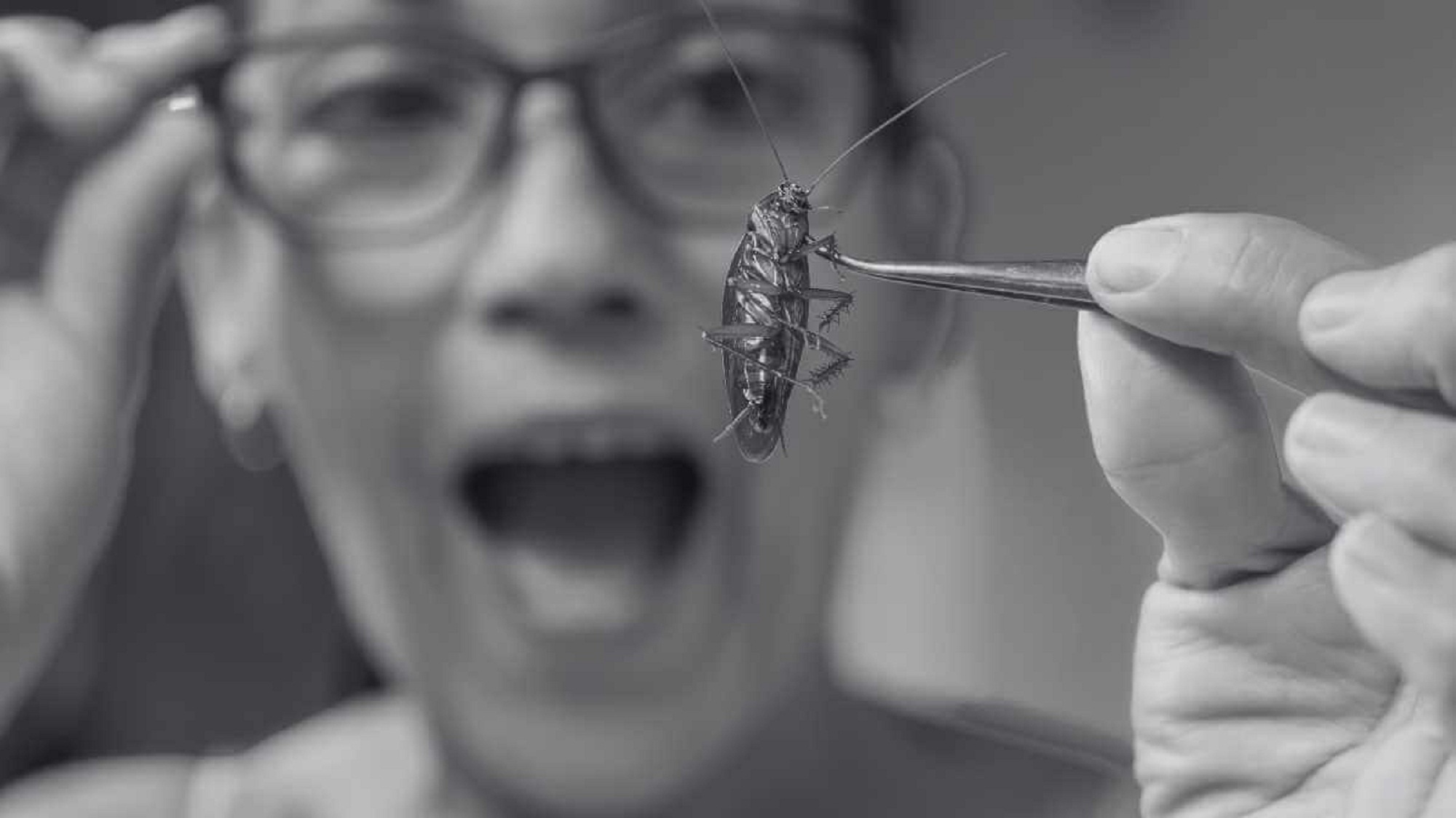
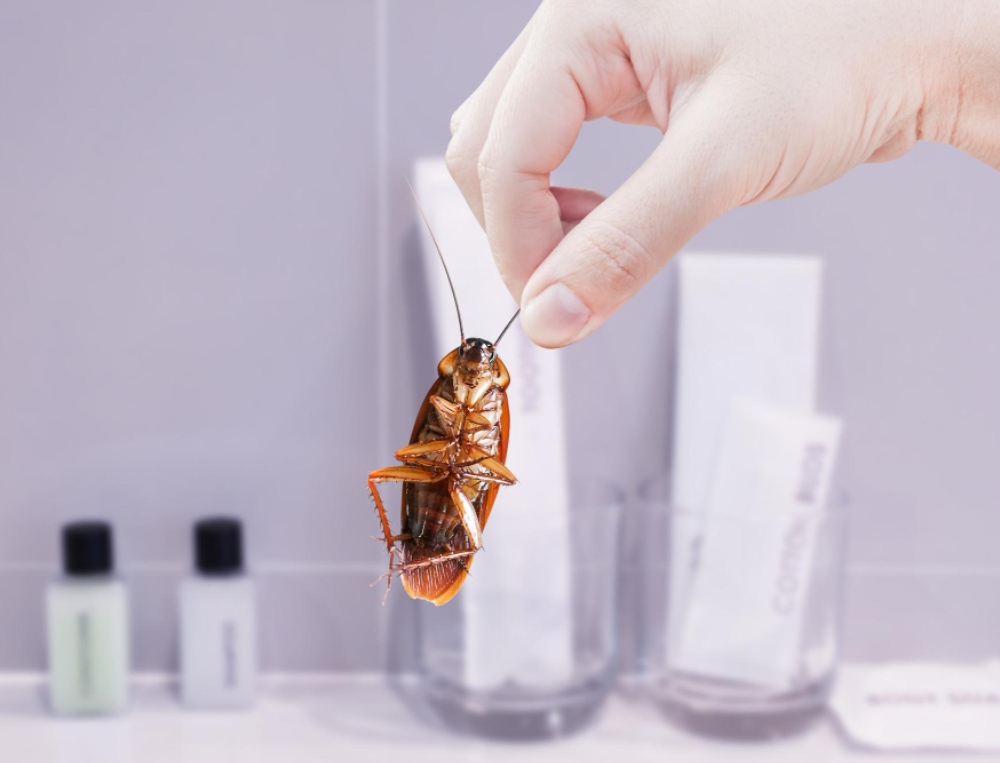
Singapore homes typically deal with two main species: the American cockroach, which is larger, prefers drains and damp areas, and tends to travel between units through plumbing and drainage connections; and the German cockroach, which is smaller, breeds faster, and concentrates around kitchens and food storage areas. The distinction matters for treatment placement — a German cockroach problem calls for baiting concentrated around kitchen cabinetry and appliances, while an American cockroach issue often needs bait and monitoring placed near floor traps, drain covers, and bathroom areas instead. A technician who identifies the species correctly during inspection will place bait far more effectively than a generic treatment applied the same way regardless of which species is present.
Why HDB and Condo Living Makes Reinfestation More Likely
Pest control in HDB flats and condos in Singapore faces a specific challenge that landed properties do not: shared walls, connected ceiling voids, and common rubbish chute systems mean cockroaches and ants can travel between units with relative ease. A unit that has been thoroughly treated can still see renewed activity if a neighbouring unit has an untreated infestation, since insects will migrate toward whichever unit currently offers the easiest access to food and moisture. This is one of the more frustrating realities of multi-unit living, and it is also why NEA approved pest control for HDB and condo buildings sometimes needs to be considered at the block or estate level, not just unit by unit, particularly when a Town Council or MCST coordinates a broader treatment schedule. If your own unit keeps seeing renewed activity despite consistent treatment, it is worth raising the possibility of a wider building-level issue with your management, rather than assuming the treatment itself has failed.
Recognising the Difference Between an Ant Trail and an Ant Nest Problem
A single ant trail leading to a spilled drink is a foraging response, not necessarily a sign of a larger infestation, and cleaning the spill and the trail with soap and water (which removes the pheromone scent trail) is often sufficient on its own. Recurring trails appearing in the same location over several days, however, or trails appearing in multiple rooms simultaneously, point to an established colony nearby that needs targeted baiting rather than repeated wiping. Ants that appear consistently around a specific appliance, such as a rice cooker or fridge, are also worth noting, since that pattern usually indicates a nest close by rather than a passing trail.
What Professional Treatment Includes That DIY Doesn’t
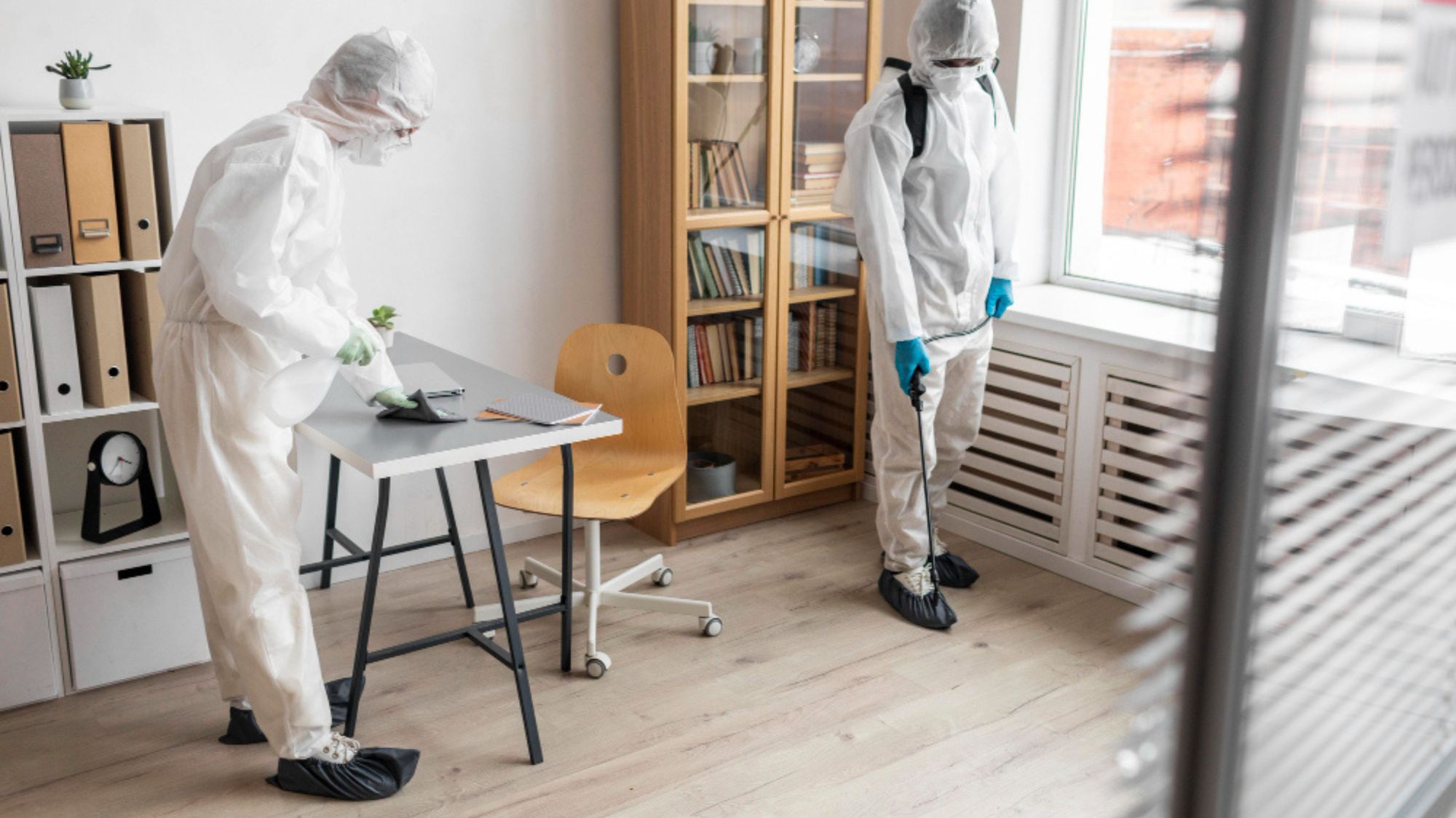
Beyond the choice of gel bait over spray, professional cockroach and ant control includes an inspection to identify likely nesting locations specific to your unit’s layout, follow-up visits to confirm bait uptake and adjust placement, and — where relevant — a recommendation on sealing entry points such as gaps around pipe risers, which is often the actual source of repeat activity from neighbouring units. This combination of targeted baiting, inspection, and follow-up is difficult to replicate with a one-time DIY purchase, however many cans are used.
For households also dealing with pets, it is worth reviewing our guide on pet-safe pest control in Singapore to ensure gel bait placement accounts for curious paws as well as the pest problem itself.
Frequently Asked Questions
Why do cockroaches keep coming back after I spray them?
Sprays only kill visible, exposed cockroaches. The nest and egg cases remain untouched, so the population rebuilds within weeks unless the source is treated directly with baiting.
Is gel baiting safe to use in a kitchen?
Yes — gel bait is placed in small, targeted amounts in cracks, crevices, and behind appliances rather than on open surfaces, which keeps it away from food-preparation areas while still being accessible to cockroaches.
Can ants from my neighbour’s unit really affect my home?
Yes, particularly in HDB and condo buildings with shared walls and ceiling voids. Insects will migrate toward the most accessible food and moisture source, regardless of which unit that happens to be.
How long does it take for gel baiting to eliminate a cockroach colony?
Most colonies show a significant reduction within two to four weeks, though a full resolution depends on colony size and how quickly bait uptake occurs.
Should I clean before or after professional pest control treatment?
Light cleaning beforehand to reduce food sources is helpful, but avoid using strong-smelling cleaning products directly on treated areas afterward, as this can interfere with gel bait effectiveness.
Do American and German cockroaches need different treatment?
Yes — bait placement differs based on where each species nests and feeds, which is why correct species identification during inspection makes a measurable difference to how quickly a colony is brought under control.
Stop Treating the Symptom, Not the Colony
Cockroach and ant control in Singapore works best when the treatment targets the nest, not just what’s visible on the counter. Contact Pestopia for an NEA-approved gel baiting programme built around your home’s specific layout and reinfestation risk.
REFERENCES:
National Environment Agency. (2026). Licensing Requirements for Vector Control Services. NEA Singapore. https://www.nea.gov.sg/docs/default-source/our-services/pest-control/advisories-and-circulars/licensing-requirement-for-vector-control-services.pdf
National Environment Agency. (2026). Pest Control Overview. NEA Singapore. https://www.nea.gov.sg/our-services/pest-control/overview