“Fast” and “urgent” get used loosely in pest control marketing, but they mean something specific when a bed bug or termite problem is actually escalating. Fast pest control in Singapore should mean a technician who can assess and begin treatment quickly, not just a company that answers the phone quickly. Understanding what genuinely urgent bed bug and termite situations look like helps you know when to push for a same-day response and when a scheduled visit is perfectly adequate.
What Makes Bed Bugs a Time-Sensitive Problem
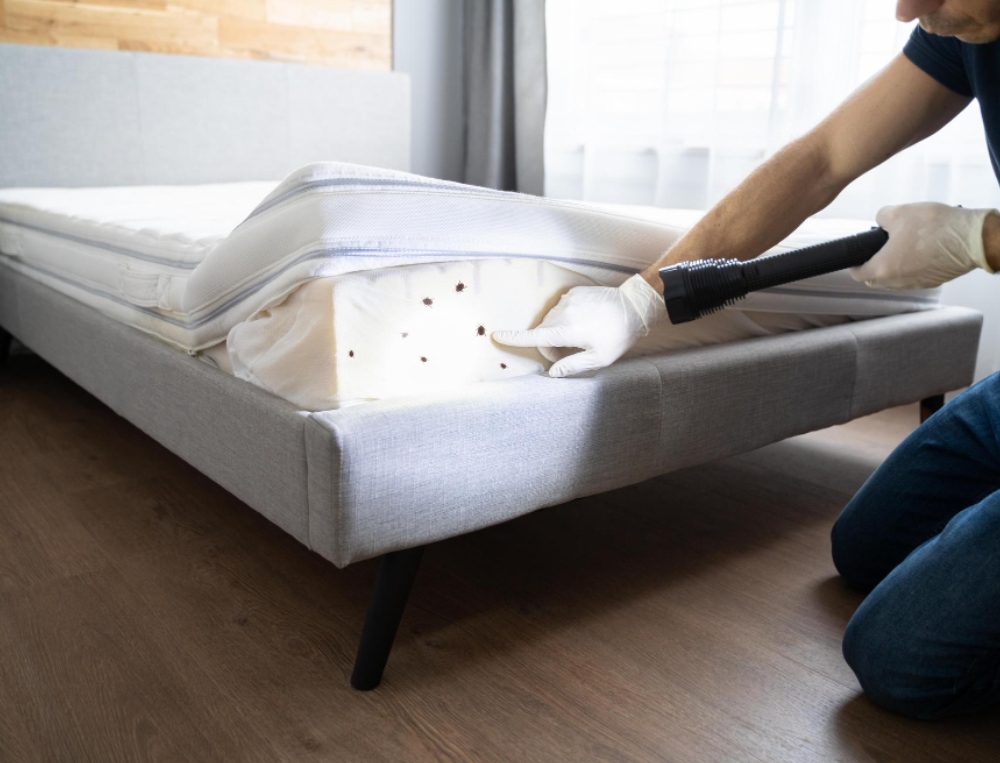
Bed bug treatment in Singapore is urgent in a way that many other pests are not, because of how quickly bed bugs spread relative to how slowly people typically notice them. A single bedroom infestation can extend to adjoining rooms within two to three weeks, since bed bugs travel through wall voids, along pipe risers, and inside furniture, luggage, or clothing carried between rooms. Bites are also easy to mistake for other skin irritations early on, which means the population is often larger than expected by the time it is correctly identified. This combination — fast spread and delayed recognition — is exactly why bed bug extermination Singapore searches spike around the point an infestation has already moved beyond a single room.
Heat Treatment vs. Chemical Treatment for Speed
Two main approaches exist for bed bug extermination: heat treatment, which raises room temperature to a level lethal to bed bugs and their eggs in a single session, and chemical treatment, which uses residual insecticide applied to harbourage points and typically requires a follow-up visit two weeks later to catch any eggs that hatch after the first treatment. Heat treatment is generally faster to reach full elimination in one visit, but requires specific equipment and is not always practical for every room configuration, particularly rooms with sensitive electronics or extensive soft furnishings that heat can damage. Chemical treatment is more widely available and equally effective over its full course, though it requires patience through the two-visit cycle rather than resolving in a single session.
Why Termite Damage Is a Different Kind of Urgent
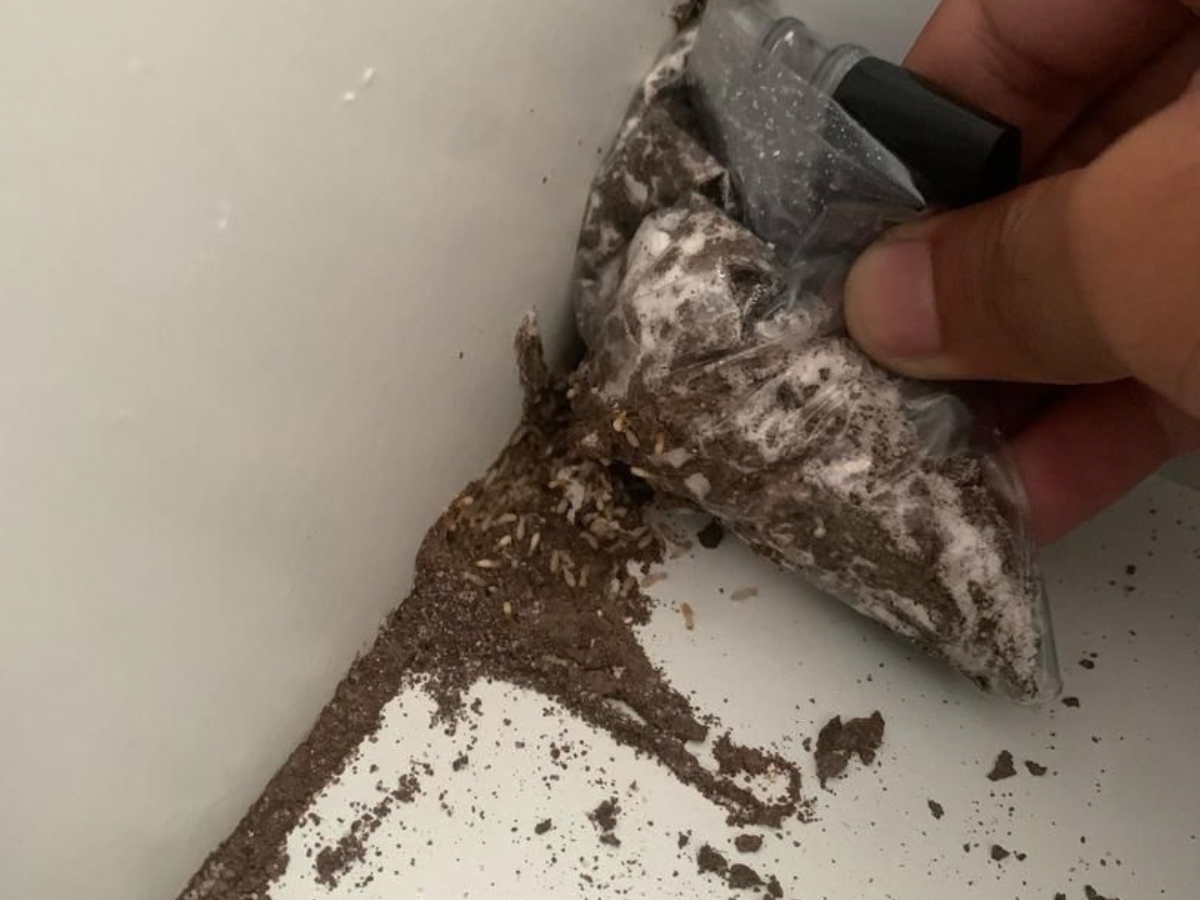
Termite treatment in Singapore is urgent for a different reason than bed bugs: the damage is structural rather than a quality-of-life issue, and it accumulates silently. Subterranean termites work from underground colonies through mud tubes into timber structures, and by the time visible damage — hollow-sounding wood, bubbling paint, or a mud tube on an exterior wall — becomes apparent, the colony has typically been active for months already. This is why “fast” for termites means addressing the colony as soon as any sign appears, not waiting to see if the problem gets worse, since structural repair costs scale sharply with how long a colony has had access to a structure. A delay of even a few extra weeks can mean the difference between a localised soil treatment and a more extensive repair to load-bearing timber, which is why termite sightings deserve the same urgency as an active bed bug spread, even though the risk itself is structural rather than immediate.
What a Same-Day Assessment Actually Involves
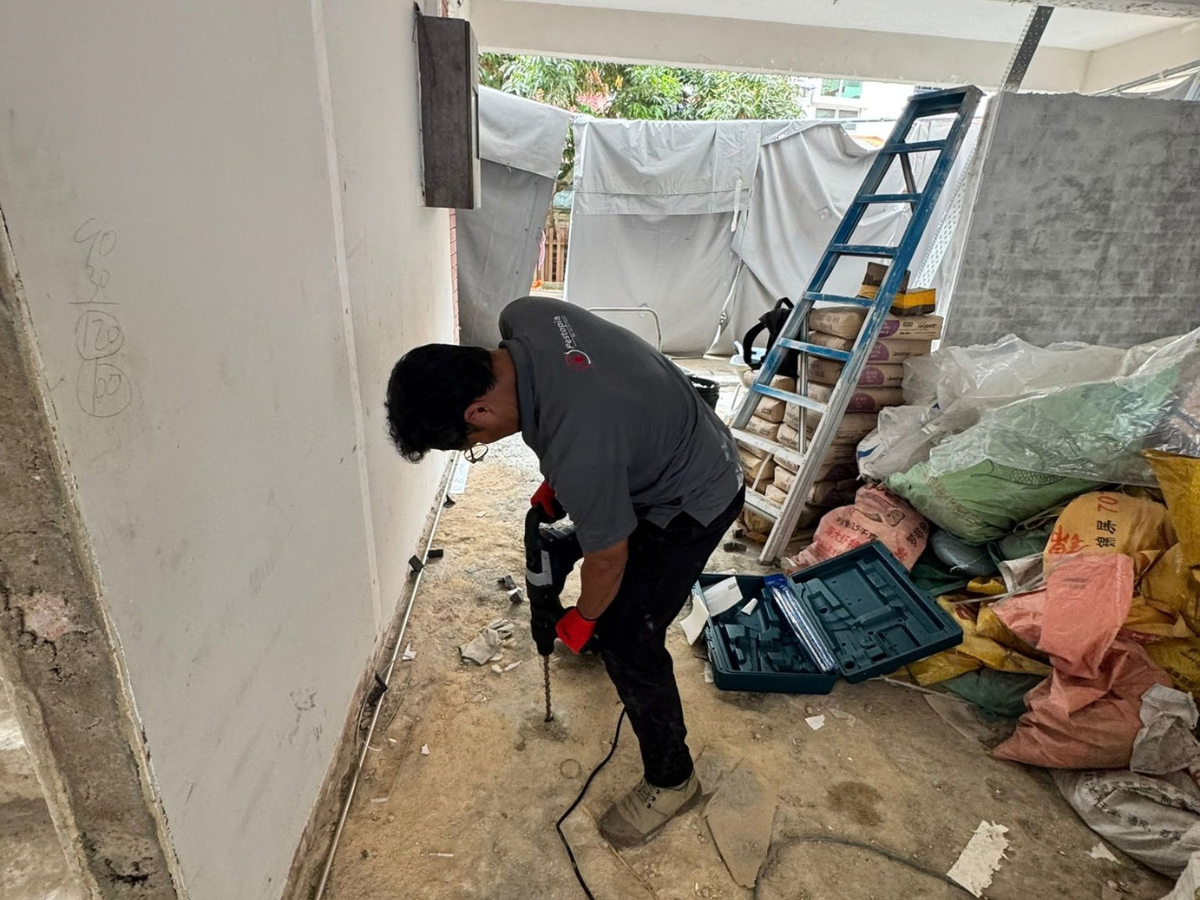
A genuinely fast response for either bed bugs or termites starts with an assessment on the day of the call — not a scheduling conversation that pushes the actual inspection out by several days. According to the National Environment Agency, any technician applying registered pesticide treatment, urgent or otherwise, must hold a valid Vector Control Technician licence, so speed should never come at the cost of using an unlicensed operator. During this assessment, a technician confirms the pest and extent of the problem, identifies whether the situation qualifies as urgent based on spread or structural risk, and begins treatment the same day where the assessment supports it. This differs meaningfully from a routine booking, where the appointment itself is the first opportunity to assess the problem, often days after the initial call.
The Difference Between “Fast” and “Emergency” Response
It’s worth distinguishing fast response from a true pest emergency, since the two overlap but are not identical. A fast response simply means minimal delay between the call and the assessment — this applies to any situation where you want the matter dealt with promptly, even if it isn’t strictly urgent. An emergency response goes a step further, typically involving same-day treatment beginning immediately after assessment because the situation is actively worsening, carries a health risk, or involves a rapidly spreading infestation. Most bed bug and termite bookings that come in described as “fast pest control” turn out, once assessed, to be genuine emergencies simply because of how these two pest types behave once established — but the assessment itself is what determines which category applies, not the caller’s own sense of urgency.
When “Fast” Genuinely Matters vs. When It Doesn’t
Not every bed bug bite or every piece of visibly aged timber needs an emergency response. A single unexplained bite with no other signs, or old, dry timber discolouration with no active mud tubes, can usually wait for a scheduled inspection without meaningful risk. What changes the calculation is evidence of active spread — bites appearing across multiple household members or multiple rooms, or fresh mud tubes and swarmers rather than old, inactive damage. In these cases, same-day pest control in Singapore is the appropriate response, since the situations are actively worsening rather than static.
If your household is dealing with signs that don’t clearly point to bed bugs or termites specifically, our guide on emergency pest control in Singapore covers the broader signs that indicate any pest situation has moved from routine to urgent.
Frequently Asked Questions
How fast can bed bug treatment actually start once I call?
With a genuinely fast-response provider, assessment typically happens the same day, with treatment beginning immediately if the assessment confirms an active infestation.
Is heat treatment always faster than chemical treatment for bed bugs?
Heat treatment usually reaches full elimination in a single session, while chemical treatment requires a follow-up visit roughly two weeks later — but heat treatment isn’t suitable for every room, so the faster option depends on your specific space.
How urgent is termite treatment if I’ve only seen minor damage?
Even minor visible damage indicates an active colony has likely been present for some time. It’s worth having it assessed promptly rather than waiting, since the colony continues working regardless of how minor the visible signs currently appear.
Can I tell the difference between bed bug bites and other skin reactions myself?
Not reliably — bites are easy to confuse with other irritations. If bites are recurring, especially in a line or cluster, or appearing after sleep, it’s worth a professional assessment rather than assuming it’s unrelated.
Does a fast response cost more than a scheduled appointment?
Response speed and cost are generally separate factors — a properly licensed provider prices based on the treatment required, not simply on how quickly you called.
Should I try a DIY spray while waiting for a technician to arrive?
For bed bugs, avoid over-the-counter sprays in the meantime, since they can scatter bugs into new areas and complicate the professional treatment. For termites, avoid disturbing any visible mud tubes, as this can alert the colony and change its behaviour before assessment.
When Speed Actually Matters, Call Immediately
Fast pest control in Singapore should mean genuine same-day assessment and treatment for situations that are actively spreading or causing structural damage — not just a quick phone answer. Contact Pestopia for a rapid assessment of bed bug or termite activity in your home, with treatment options tailored to how urgent your specific situation actually is.
REFERENCES:
National Environment Agency. (2026). Licensing Requirements for Vector Control Services. NEA Singapore. https://www.nea.gov.sg/docs/default-source/our-services/pest-control/advisories-and-circulars/licensing-requirement-for-vector-control-services.pdf
National Environment Agency. (2026). Pest Control Overview. NEA Singapore. https://www.nea.gov.sg/our-services/pest-control/overview