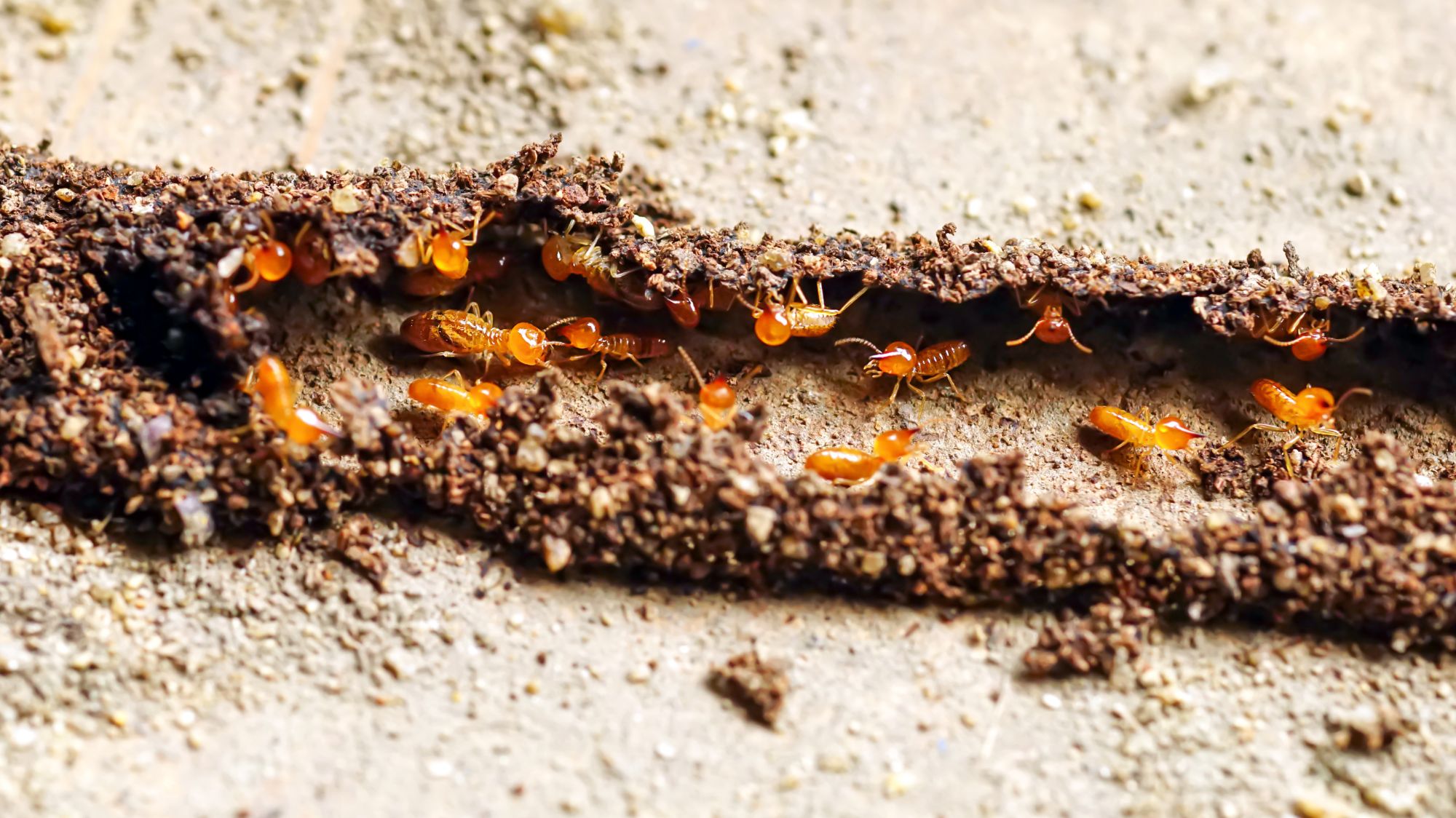
Homeowners who discover mud tubes on a foundation wall or a hollow-sounding skirting board are usually asking the same question within minutes of finding professional help: which treatment actually fixes this? Subterranean termites in Singapore are typically dealt with using one of three approaches — soil treatment, baiting systems, or corrective treatment — and each is suited to a different stage of infestation, property type, and structural layout. Choosing the wrong one wastes time the colony spends continuing to feed.
Termite Soil Treatment: The Continuous Barrier Approach
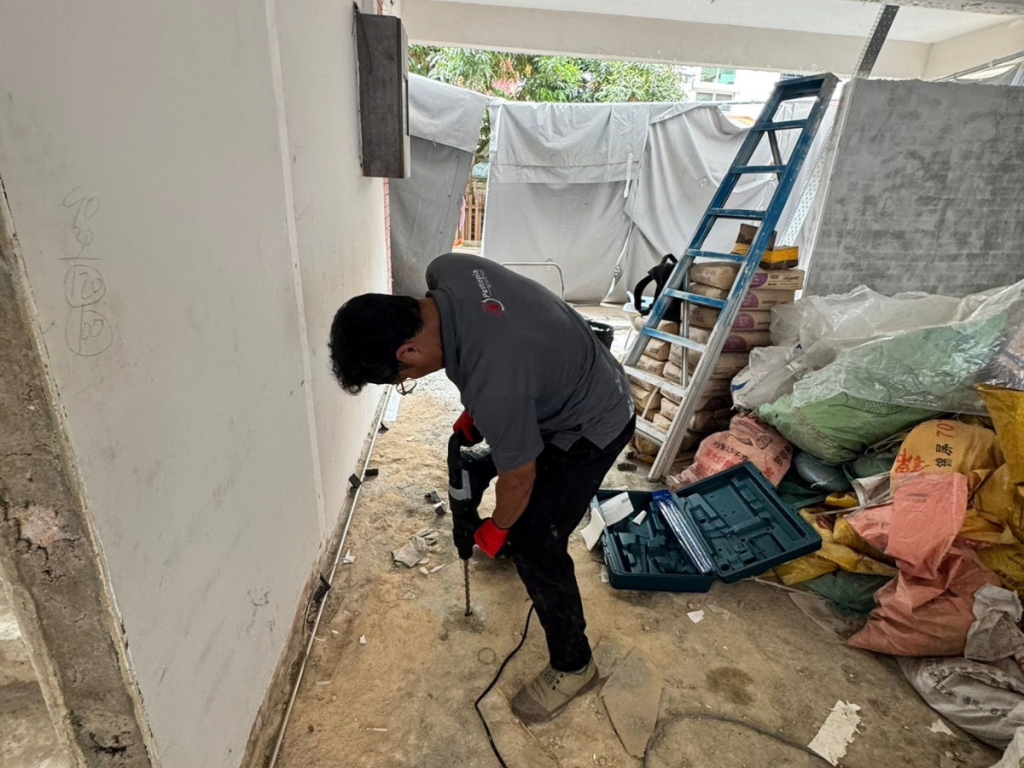
Soil treatment involves injecting a liquid termiticide into the ground around and beneath a structure’s foundation, creating a treated zone that termites cannot cross without picking up a lethal dose. It works well for landed properties and pre-construction sites where there is direct, accessible soil contact around the perimeter, and it has been a standard method in Singapore for decades because it addresses the one route subterranean termites cannot avoid — travel through soil to reach timber.
The trade-off is that soil treatment depends on an unbroken barrier. Renovations, new plumbing lines, or extensions that disturb treated soil can open a gap for termites to bypass the barrier, which is why soil-treated properties still benefit from periodic inspection rather than being considered permanently sealed after a single application.
Baiting Systems: Targeting the Colony, Not Just the Path
Baiting systems place monitoring and bait stations around a property at intervals. Worker termites feeding on the bait carry a slow-acting insect growth regulator back to the colony, where it spreads to nestmates, including the reproductive termites that sustain the colony’s growth. Rather than blocking termites from reaching a structure, baiting aims to eliminate the colony itself over a period of weeks to months.
Baiting is often the better fit where full soil access isn’t possible — condominiums, HDB flats above ground level, or landed properties with extensive hardscaping that limits where liquid termiticide can be injected. It’s also useful as an ongoing monitoring layer even after standard soil treatment has been carried out, since bait stations can flag renewed activity early.
Corrective Treatment: Addressing Damage Alongside the Infestation
Corrective treatment comes into play once termites have already caused structural or cosmetic damage — weakened timber, damaged skirting, compromised door frames — and simply killing the colony isn’t enough to resolve the property’s condition. This typically combines active termite elimination (via soil treatment, localised injection, or baiting) with repair or replacement of affected building elements, sometimes requiring coordination with a contractor if structural timber is involved.
Corrective treatment tends to be recommended when an infestation has gone undetected for months, which is common with subterranean termites since their mud tubes and feeding activity are often hidden behind walls, under flooring, or inside wall cavities until damage becomes visible.
What a Proper Inspection Checks Before Any Treatment Starts
A useful inspection goes well beyond confirming that termites are present. Technicians typically probe skirting boards and door frames for hollow sections, check foundation walls and pipe penetrations for mud shelter tubes, and look inside roof voids and under staircases where subterranean colonies often forage undetected for months. On landed properties, this extends to checking soil contact points around the perimeter — planter boxes pushed against exterior walls, garden beds, and expansion joints are common entry paths that get missed in a quick visual check.
The inspection findings determine which of the three treatment methods makes sense. A property with an intact, accessible soil perimeter and no visible damage is often a straightforward soil treatment case. One with limited soil access, multiple storeys, or signs the colony has already spread through wall cavities usually points toward baiting, corrective work, or a combination of both. Skipping this step and requesting a specific treatment by name — because a neighbour used it, for instance — can mean paying for a method that doesn’t match the actual infestation pattern on your property.
Which Method Fits Your Property?
The right choice usually comes down to three factors: whether the colony is still actively feeding or has already caused visible damage, how much of the property’s soil perimeter is accessible for treatment, and whether the building is landed, a condo, or an HDB flat. A professional inspection is the only reliable way to confirm which of these applies, since surface-level signs like discarded wings or mud tubes don’t indicate how deep or extensive a colony’s foraging network has become.
Pestopia’s technicians assess all three treatment paths during an inspection rather than defaulting to one method, since a property with both accessible soil and existing damage may need a combined soil-and-corrective approach rather than a single treatment type. For a closer look at how each option applies to Singapore properties, our Subterranean Termites treatment page breaks down what an inspection covers before any treatment begins.
Licensing Matters More Than the Method
Whichever treatment path fits your property, the pesticides and equipment used must come from an operator registered with the National Environment Agency, since termiticides fall under controlled vector-control products in Singapore. NEA’s Code of Practice for Vector Control Operators, Technicians and Workers also sets out how these products must be applied around occupied structures, covering everything from technician certification to safe handling near foundations and drainage. Homeowners comparing quotes should ask which of the three methods a company is proposing and why, rather than accepting a generic “termite treatment” line item.
For a broader overview of subterranean termite behaviour and detection before deciding on treatment, our termite treatment guide covers the warning signs worth checking first. Readers protecting a wider property, not just a termite-affected area, may also find our [LINK TO: Post 4 — Complete Home Pest Control Guide] useful for a room-by-room view of common entry points.
Frequently Asked Questions
Can I use soil treatment and baiting together?
Yes. Many properties use soil treatment as the primary barrier and baiting stations as an ongoing monitoring layer, particularly where earlier renovation work may have disturbed part of the original barrier.
How long does corrective treatment take from start to finish?
It varies with the extent of damage, but a typical timeline runs from a same-week inspection and initial treatment to several weeks for full colony elimination via baiting, with repair work scheduled separately once activity has stopped.
Will soil treatment work if my property has extensive decking or paving?
Not on its own in areas where soil isn’t accessible. Baiting or localised drilling and injection are usually recommended for those sections instead.
Does a baiting system protect against future colonies, or only the one detected?
Bait stations placed around the perimeter can intercept new foraging termites from neighbouring colonies too, which is why many landed properties keep a monitoring programme running even after the original colony is eliminated.
How do I know if I need corrective treatment or just standard treatment?
If you can already see damaged timber, sagging areas, or repeated termite activity in the same spot despite previous treatment, that usually points to corrective treatment rather than a first-time standard application.
Is one treatment method more expensive than the others?
Costs vary by property size and the extent of the treated area rather than by method alone. Baiting programmes often involve ongoing monitoring visits, while soil treatment and corrective work are typically priced around the initial treatment and any repair scope, so a like-for-like quote depends on your inspection findings rather than the method name.
Get a Proper Assessment Before Choosing a Treatment
Guessing which termite treatment your property needs from a single visible sign usually means paying for the wrong one. Pestopia inspects the full extent of subterranean termite activity before recommending soil treatment, baiting, or a corrective approach — book an inspection to find out which applies to your property.
REFERENCES:
(Minimum 2–3 required — format: Author/Organisation. (Year). Title. Website. URL)
- National Environment Agency. (2026). Registration of Control of Public Health Pesticides and Repellents against Vectors. NEA Singapore. https://www.nea.gov.sg/our-services/pest-control/registration-of-control-of-public-health-pesticides-and-repellents-against-vectors
- National Environment Agency. (2025). Code of Practice for Vector Control Operator, Technician and Worker. NEA Singapore. https://www.nea.gov.sg/docs/default-source/our-services/pest-control/vector-control-operator/code-of-practice-for-vector-control-operator-technician-and-worker96ca394d31a74736b1bbcff06cd36678.pdf