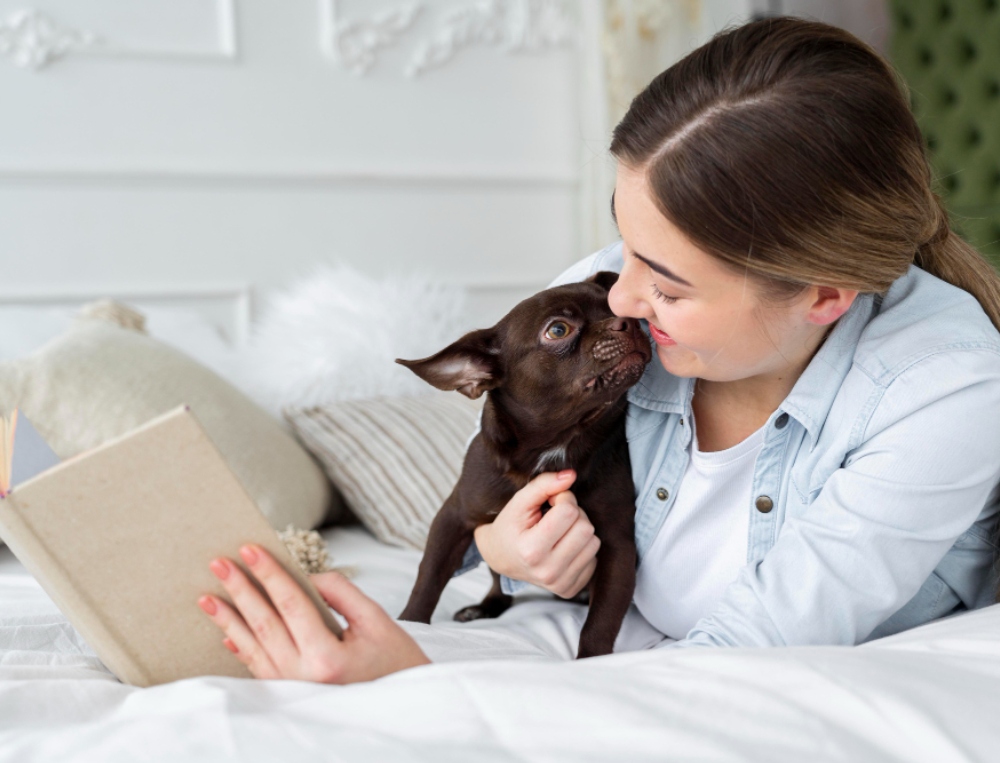
Most pest control advice in Singapore focuses on eliminating the problem as quickly and completely as possible — and understandably so. But for households with dogs and cats, “as quickly as possible” is not the only consideration. Pest control for pets in Singapore requires a treatment approach that clears an infestation without putting curious noses, paws, or grooming habits at risk, and that balance is not something every provider thinks through by default.
Why Standard Treatments Can Be a Concern for Pet Owners
Many conventional insecticide and rodenticide products are formulated with residual activity in mind — they are designed to keep working on surfaces for days or weeks after application, which is exactly what makes them effective against pests that return to the same spots repeatedly. The trade-off is that a pet walking across a treated skirting board, licking a paw after contact, or investigating a bait station out of curiosity introduces a level of exposure that simply does not apply in a pet-free home. This is not a reason to avoid treatment altogether — untreated infestations carry their own health risks to pets, including flea-borne and tick-borne illness — but it is a reason to ask specific questions before booking.
What NEA-Approved, Pet-Safe Pest Control Actually Looks Like
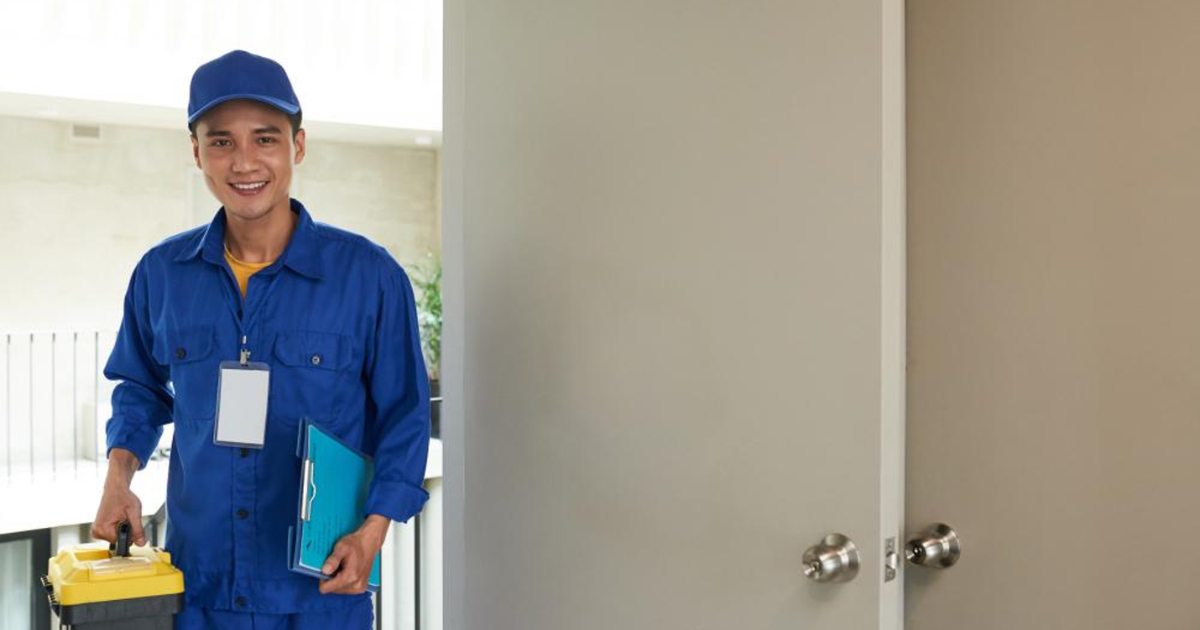
Eco-friendly pest control in Singapore does not mean a weaker treatment; it means selecting products and application methods that achieve full control while minimising exposure risk. In practice, this includes using tamper-resistant, enclosed bait stations rather than open bait placement, applying targeted gel or crack-and-crevice treatments instead of broad surface spraying, and choosing lower-toxicity formulations where they are equally effective for the pest and infestation level involved. A technician who asks whether you have pets before treatment — and adjusts placement accordingly — is doing this correctly.
Practical Precautions During and After Treatment
Even with pet-safe products, a few simple precautions matter. Pets should be kept in a separate room or outdoors during active application, surfaces should be allowed to dry fully before pets are let back into the treated area, and any bait stations should be placed in locations pets cannot access — behind appliances, inside cabinets with restricted access, or in raised positions rather than open floor areas. Ask your technician for the specific re-entry time for your pets, since this can vary by product and is not always the same as the re-entry time recommended for people. It also helps to remove pet food and water bowls from the treatment area beforehand, and to give floors a light wipe-down once the recommended drying period has passed, particularly in rooms where pets tend to lie directly on the floor.
Pest Control in Condos: An Added Layer of Consideration
Pest control in condos brings additional factors that landed properties do not face in the same way. Shared corridors, common garden areas, and balconies that pets have access to mean a pet-safe approach needs to account for spaces beyond the unit itself. If your condo’s management schedules common-area treatment, it is worth checking what products are used there too, since a pet-safe approach inside your unit offers limited protection if your pet also has access to a recently treated shared area.
Why NEA Approval Still Matters for Pet-Safe Products
It is worth being clear that “pet-safe” and “unregulated” are not the same thing, and a genuinely pet-conscious provider should still be using NEA-approved pest control products, not simply avoiding regulated chemicals altogether. According to the National Environment Agency, all public health pesticides used commercially in Singapore must be registered products applied by a licensed Vector Control Operator. A pet-safe approach works within this framework by choosing which registered products and application methods to use, and how to place them, rather than stepping outside licensed products entirely in search of a “natural” alternative that may be unregulated and untested for actual efficacy. If a provider suggests skipping registered products altogether in favour of an unverified home remedy, that is a red flag rather than a pet-friendly solution.
Common Pests Where the Pet-Safe Distinction Matters Most
Fleas and ticks are the pest category where pet safety and effective treatment are most closely linked, since these parasites live directly on pets as well as in carpets, upholstery, and outdoor areas pets frequent. A treatment plan for fleas typically needs to address the pet, the indoor environment, and outdoor areas simultaneously, using pet-appropriate veterinary products alongside environmental treatment — this is one of the few pest categories where pest control and veterinary care genuinely need to be coordinated rather than treated as separate problems.
Cockroaches and ants present a different kind of risk: the concern is less about the pest itself and more about a curious pet ingesting bait or coming into contact with a treated surface before it has dried. Gel baits placed in enclosed, pet-inaccessible locations largely resolve this concern without compromising the treatment’s effectiveness against the colony.
Questions to Ask Before Booking
Before confirming a booking, it is reasonable to ask a provider what specific products will be used, whether those products carry any pet-specific warnings, how long pets need to be kept away from treated areas, and whether the technician has experience adjusting bait placement around households with animals. A provider that answers these questions clearly and specifically — rather than with a generic “it’s all safe” — is one that has genuinely thought about pet safety rather than treating it as a marketing line.
If your home also has children, many of the same precautions overlap, and it’s worth reviewing our guide on home pest control in Singapore for the household-wide precautions that apply regardless of which pets or family members are present.
Frequently Asked Questions
Is eco-friendly pest control as effective as standard chemical treatment?
Yes, when applied correctly. Effectiveness depends more on correct product selection, placement, and follow-up than on whether the formulation is labelled “eco-friendly” — a lower-toxicity product used precisely often outperforms a stronger product applied broadly.
How long should I keep my pet away from a treated area?
This varies by product, typically a few hours for surface treatments and longer for certain baiting applications. Always ask your technician for the specific timeframe rather than assuming a standard rule applies.
Can I request pet-safe treatment even if my home doesn’t have an active infestation?
Yes — preventive pest control for pet-owning households is common, and a pet-safe approach can be built into a routine maintenance schedule from the start.
Are bait stations dangerous if my pet finds one?
Properly installed, tamper-resistant bait stations are designed to prevent access by pets and children. If a station appears damaged or accessible, contact your provider immediately rather than attempting to move it yourself.
Does pest control for condos need to consider shared areas as well as my unit?
Yes — pets that access balconies, corridors, or shared gardens can be exposed to treatments applied by building management, so it’s worth checking what’s used in common areas as well.
A Pet-Safe Approach Doesn’t Mean a Compromised One
Pest control for pets in Singapore is about the right combination of products, placement, and precautions — not a trade-off between safety and effectiveness. Contact Pestopia to discuss a treatment plan built around your household, including any pets, before your next booking.
REFERENCES:
National Environment Agency. (2026). Licensing Requirements for Vector Control Services. NEA Singapore. https://www.nea.gov.sg/docs/default-source/our-services/pest-control/advisories-and-circulars/licensing-requirement-for-vector-control-services.pdf
National Environment Agency. (2026). Pest Control Overview. NEA Singapore. https://www.nea.gov.sg/our-services/pest-control/overview