HDB flats and condominiums both put residents in close proximity to their neighbours, but the rules, approval processes, and shared-risk factors around pest control are different enough between the two that a one-size-fits-all approach to treatment often falls short. Understanding what’s actually different helps residents know who to contact, what they can treat themselves, and why a pest problem in one unit can quietly become a building-wide issue.
Who Manages Common Areas — and Why It Matters
In HDB estates, common property such as corridors, refuse chutes, lift lobbies, and void decks falls under the Town Council’s maintenance responsibility, funded through residents’ Service & Conservancy Charges. Condominiums operate differently — common areas are managed by a Management Corporation Strata Title (MCST) council, funded through maintenance fees set by the condo’s own by-laws rather than a government-run town council.
This distinction affects how quickly a common-area pest issue gets addressed and who residents should approach first. An HDB resident noticing pests near a refuse chute reports it to their Town Council; a condo resident raises the same issue with their MCST or managing agent. Neither HDB nor most condo management bodies will typically arrange treatment inside an individual unit — that remains the owner or tenant’s responsibility in both cases.
Approval and Access Rules Differ Too
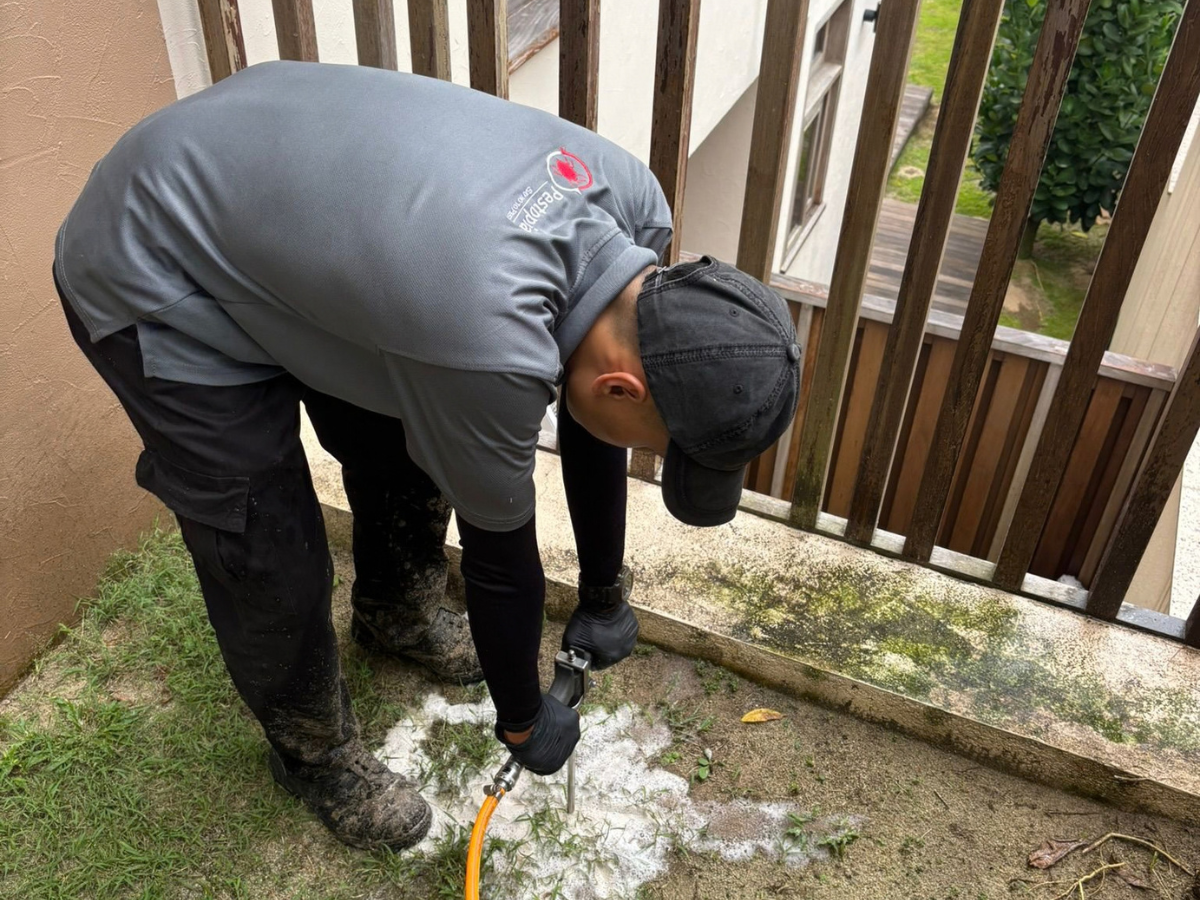
HDB flats have specific restrictions on what treatments are permitted inside the home — fumigation tents and space fumigation aren’t allowed, and any work affecting structural elements or common corridors outside a unit needs Town Council approval first. Condos are generally more flexible about in-unit treatment methods since MCST rules focus more on common property and building-wide works, but larger interventions — drilling through slabs for termite treatment, for example — may still require MCST sign-off depending on the condo’s by-laws, particularly if shared structural elements are involved.
This means the same subterranean termite soil treatment that’s straightforward on a landed property can require different levels of approval depending on whether it’s being carried out in an HDB unit, a condo unit, or common grounds shared by dozens of households.
Shared-Wall Reinfestation Is a Real Risk in Both
Cockroaches, ants, and bed bugs can travel between adjoining units through shared walls, plumbing risers, and false ceiling voids in both HDB blocks and condo developments — building type doesn’t remove this risk, only the coordination process for addressing it differs. In an HDB block, persistent reinfestation from a neighbouring unit is often best raised with the Town Council, which can coordinate block-wide monitoring or request cooperation from the source unit. In a condo, the MCST or managing agent plays the equivalent role, though enforcement options can vary more by development.
For residents dealing with recurring cockroach or bed bug activity that keeps returning despite treating their own unit, checking whether neighbouring units are contributing to the problem is often more productive than repeating the same in-unit treatment on a shorter cycle.
Moving In or Renovating: Extra Considerations for Each
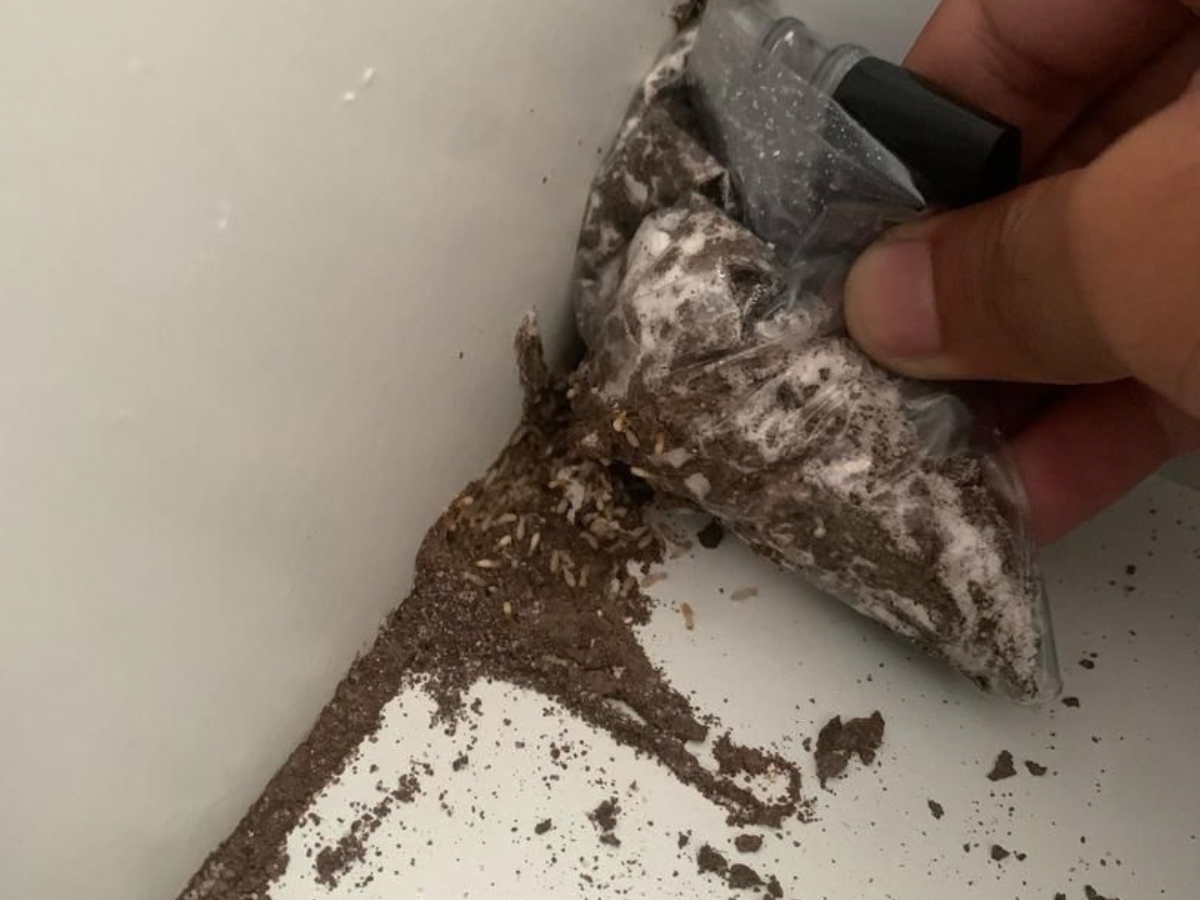
Pre-move-in pest inspections are worth doing regardless of housing type, but what you can act on differs slightly. In an HDB flat, if an inspection reveals termite activity or a rodent issue tied to a common wall or chute, that’s worth reporting to the Town Council alongside arranging your own in-unit treatment, since the source may sit partly in shared infrastructure. In a condo, the equivalent step is flagging the finding to your managing agent, particularly for older developments where landscaping, planter boxes, or basement car park areas can be entry points for subterranean termites that a single unit’s treatment won’t resolve on its own.
Renovation work adds another layer. HDB renovation guidelines restrict certain structural changes and require permits for specific works, which can affect where and how a pest treatment involving drilling or soil access can be carried out. Condo renovations follow the development’s own house rules in addition to any URA or BCA requirements, and larger works often need MCST notification in advance — worth checking before scheduling a termite soil treatment or in-slab injection that involves drilling.
Billing and Service Contracts Look Different Too
HDB residents dealing with a straightforward household pest issue typically book and pay for a single treatment or a short warranty-backed contract directly with a provider. Condo residents sometimes have the option of pest control bundled into a broader facilities contract managed by the MCST for common areas, while still arranging and paying for their own in-unit treatment separately — worth clarifying with your managing agent so you’re not paying twice for overlapping coverage, or assuming a service is included when it only covers shared spaces.
Where the Two Actually Overlap
Despite the procedural differences, both HDB and condo pest control share the same underlying requirement: any operator using regulated pesticides must be NEA-registered, and the products applied must be approved for use in occupied residential premises. Whether you live in a four-room HDB flat or a private condo, verifying licensing before booking a provider matters equally, and the treatment science behind cockroach gel baiting, bed bug heat treatment, or termite soil barriers doesn’t change based on tenure type.
Our earlier overview, HDB & Condo Pest Control Singapore: NEA Approved Solutions for Homes, covers the shared NEA-approval requirements in more depth; this piece focuses specifically on where the two housing types diverge in process rather than in treatment method.
Practical Takeaways by Housing Type
For HDB residents, know that common-area issues go to the Town Council, in-unit treatment needs to work within permitted methods, and any work touching shared corridors needs prior approval. For condo residents, the MCST or managing agent is the first point of contact for common-property issues, and larger in-unit interventions may still need a sign-off depending on the development’s by-laws — checking with your managing agent before booking invasive treatment saves a wasted trip if approval is needed first.
Frequently Asked Questions
Who pays for pest control in HDB common areas?
It’s funded through Service & Conservancy Charges collected by the Town Council, which typically arranges periodic fumigation of corridors, chutes, and other shared spaces as part of estate maintenance.
Does a condo’s maintenance fee cover pest control inside my unit?
Generally no — maintenance fees fund common-area upkeep, and in-unit pest treatment is the resident’s own responsibility, the same as in an HDB flat.
Can my Town Council or MCST force my neighbour to treat their unit?
Neither typically has direct enforcement power over what happens inside a private unit, but both can facilitate coordination and, in persistent cases, escalate through their own dispute or complaint processes.
Is fumigation ever allowed inside an HDB flat?
Full space fumigation and fumigation tents are not permitted in HDB flats; approved treatments instead use targeted methods such as gel baiting, spot spraying, and soil treatment where relevant.
If I live in a condo, do I still need an NEA-licensed operator?
Yes. NEA registration requirements apply regardless of building type — any operator using regulated vector-control pesticides in Singapore must be registered, whether the job is in an HDB flat, a condo, or a landed home.
Get the Right Approach for Your Building Type
Whether you’re in an HDB flat or a condo, Pestopia works within the approval process and treatment restrictions specific to your building type — book an inspection and we’ll confirm what’s needed before any work begins.
REFERENCES:
(Minimum 2–3 required — format: Author/Organisation. (Year). Title. Website. URL)
- Housing & Development Board. (2026). Home Maintenance. HDB Singapore. https://www.hdb.gov.sg/managing-my-home/renovation-and-maintenance/home-maintenance
- National Environment Agency. (2026). Registration of Control of Public Health Pesticides and Repellents against Vectors. NEA Singapore. https://www.nea.gov.sg/our-services/pest-control/registration-of-control-of-public-health-pesticides-and-repellents-against-vectors