Rodent sightings rarely stay a one-off event. If you have spotted a rat along a warehouse loading bay, heard scratching in a ceiling void at night, or noticed gnaw marks on stored packaging, you are looking at the visible edge of a colony that has already been active for weeks. Rodent control in Singapore is one of the most search-heavy pest categories precisely because the problem escalates quickly once it takes hold, and this term we have made several changes to how we approach it — both on the ground and in the content supporting our Rodent Control and Rodent Control (Warehouse) pages.
Why Rodent Activity — and Search Rankings — Both Fluctuate
Rodent populations respond to seasonal patterns, construction activity nearby, food waste management changes, and even shifts in neighbouring properties’ pest control schedules. A property that was clear last quarter can see a sudden resurgence simply because a nearby site started demolition work and displaced an existing colony. The same volatility shows up in search visibility: a keyword can sit steady for months, then move sharply in either direction as search engines reassess which pages best answer a query, or as new content enters the space. Neither shift is usually a sign that something is fundamentally broken — it is a sign that ongoing attention, not a one-off fix, is what actually holds results in place.
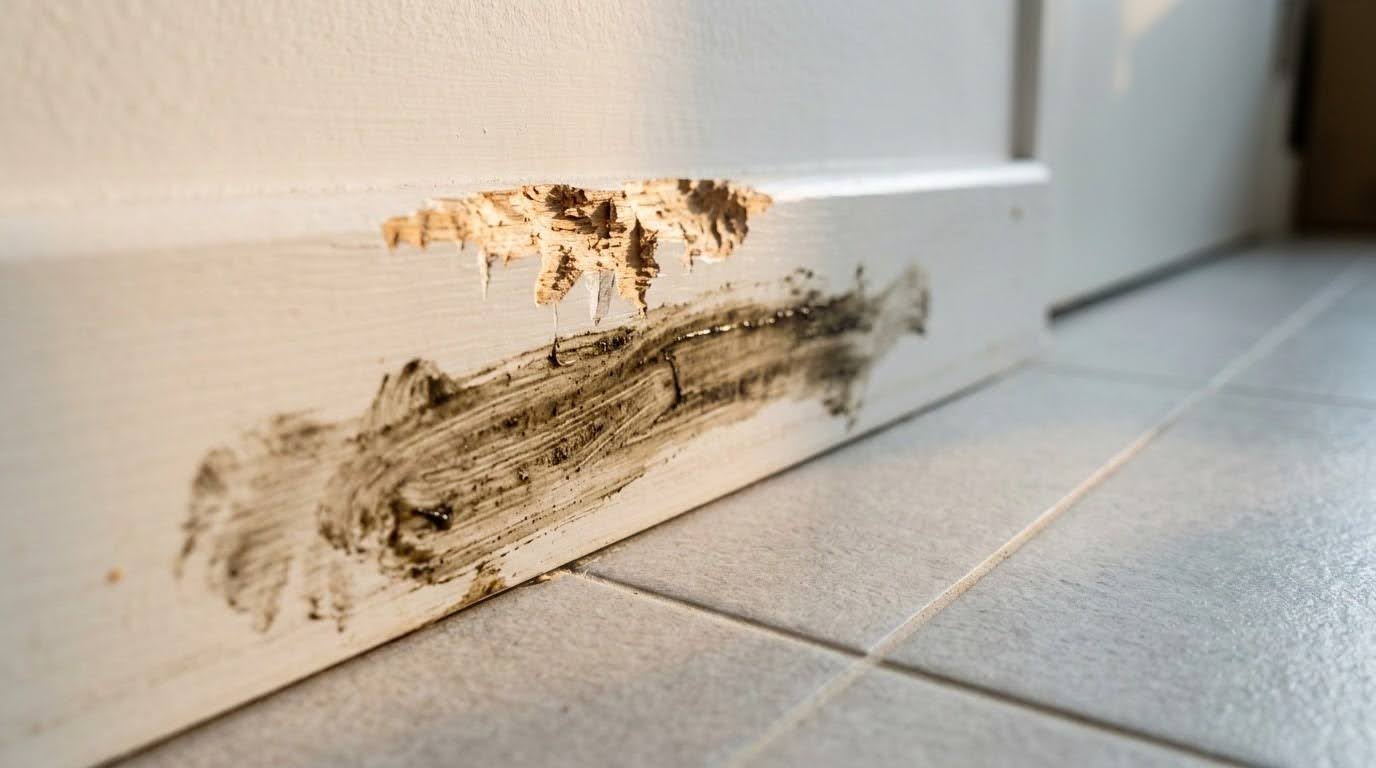
Recognising the early signs helps determine how urgent the response needs to be. Grease marks along skirting boards, small dark droppings clustered near food storage, gnawed cardboard or cabling, and scratching sounds after dark are the most common indicators reported by both homeowners and warehouse managers. None of these signs alone confirms the size of the colony, which is why a proper inspection — not just a visual check — is the starting point for any effective programme.
NEA-Approved Methods That Actually Work
Professional rodent elimination in Singapore relies on a combination of three core techniques, applied in the right order and adjusted to the property type. According to the National Environment Agency, any company or individual applying rodenticide commercially must be a registered Vector Control Operator using products registered for public health use, which is worth confirming before any baiting programme begins.
Baiting Programmes
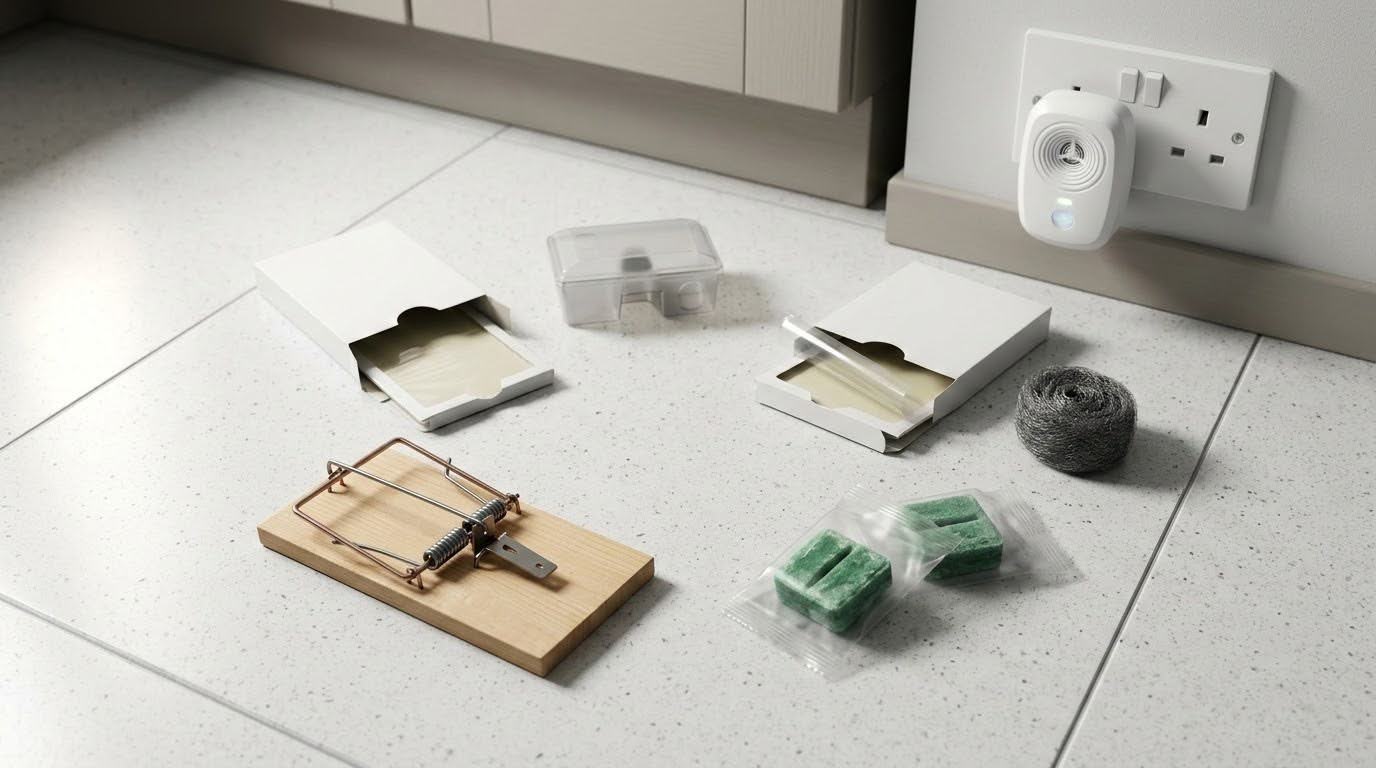
Rodenticide baiting stations are placed at key points along known travel routes — wall lines, drain covers, and loading bay perimeters — and monitored on a schedule rather than left indefinitely. Bait uptake data tells a technician whether the population is shrinking, holding steady, or growing, which is far more useful than a single visual inspection.
Trapping for Active Infestations
Where an infestation is already active inside a structure, mechanical trapping targets individual rodents without introducing additional rodenticide indoors. This matters most in food-handling areas, kitchens, and any space where children or pets are present, since it avoids the risk of a poisoned rodent dying in an inaccessible void.
Entry Point Proofing
Baiting and trapping reduce an existing population, but proofing is what stops the cycle from restarting. This means physically sealing gaps around pipwork, door thresholds, and roof lines with rodent-resistant materials — steel wool and sealant rather than expanding foam alone, since rats can chew through foam within days.
Warehouses Face a Different Risk Profile
Pest control for warehouses in Singapore is not simply residential pest control at a larger scale. Warehouses combine several factors that make them especially attractive to rodents: bulk-stored goods that are rarely moved, loading bay doors that stay open for long stretches during operating hours, and reduced foot traffic overnight when rodents are most active. A single undetected infestation can contaminate stock, damage packaging, and create a serious problem during a client or regulatory audit. Because the stakes are commercial rather than purely domestic, warehouse rodent control programmes typically run on a scheduled monitoring contract rather than a one-time visit, with bait station logs kept as documentation for any compliance review. Insurance assessors and auditors increasingly ask for this kind of paper trail, and a warehouse without documented, dated monitoring records is in a weaker position if a stock-damage claim ever needs to be substantiated.
Rats vs. Mice: Why the Approach Differs
Rat control in Singapore requires different tactics than mouse control, even though both fall under the same general category. Rats are more cautious around new objects, which means bait stations often need a longer acclimatisation period before uptake begins, and their larger size means entry points as small as a 20-cent coin are enough for access. Mice, by contrast, breed faster and can establish a secondary nest within a structure in a matter of weeks, which makes early detection more time-sensitive even though the individual animals cause comparatively less structural damage than rats gnawing through wiring or timber.
What a Rodent Control Warranty Should Actually Cover
Not every rodent control warranty is the same, and the wording matters more than the length of the coverage period. A meaningful warranty should specify what triggers a free re-treatment — continued sightings after a defined number of days, evidence of new droppings, or fresh gnaw marks — rather than leaving “no results” open to interpretation. It should also state clearly whether proofing work is included in the warranty scope or billed separately, since a property with unsealed entry points will see repeat activity regardless of how thorough the baiting programme was.
If your property has seen rodent activity return after a previous treatment, or you are managing a pest control for warehouses situation for the first time, it is worth having a technician assess entry points specifically, not just bait station placement. Many repeat infestations trace back to a single unsealed gap rather than a failure of the baiting programme itself.
Frequently Asked Questions
How long does a rodent control programme in Singapore usually take to show results?
Bait uptake typically slows within two to three weeks for an active infestation, though full resolution — including proofing — can take four to six weeks depending on the size of the property and severity of the colony.
Can I do rodent control myself with supermarket traps and poison?
Store-bought solutions can reduce visible numbers temporarily, but they rarely address entry points, and rodents can learn to avoid traps that have caught others nearby, which is why professional rodent elimination consistently outperforms DIY over time.
Is rodent control safe for warehouses that operate 24 hours?
Yes — baiting stations are placed away from active work zones and monitored on a schedule that works around operating hours, so treatment does not need to interrupt business activity.
What is the difference between rat control and general pest control?
General pest control typically covers a broader range of insects and pests on a routine schedule, while rat control is a targeted programme specifically addressing rodent entry points, bait station monitoring, and proofing.
Do I need a rodent control warranty if I’ve never had an infestation?
A warranty matters most once treatment has occurred, since it protects against recurrence. For a preventive first inspection, ask instead about the ongoing monitoring options available for your property type.
Get Rodent Activity Under Control
Whether you are dealing with rats along a warehouse loading bay or scratching sounds in a residential ceiling void, rodent control services in Singapore work best when baiting, trapping, and entry-point proofing happen together rather than in isolation. Contact Pestopia for an inspection, and if your pest concerns extend to a commercial site under construction, our guide on pest control for construction sites and offices covers what contractors need to know about compliance.
REFERENCES:
National Environment Agency. (2026). Licensing Requirements for Vector Control Services. NEA Singapore. https://www.nea.gov.sg/docs/default-source/our-services/pest-control/advisories-and-circulars/licensing-requirement-for-vector-control-services.pdf
National Environment Agency. (2026). Pest Control Overview. NEA Singapore. https://www.nea.gov.sg/our-services/pest-control/overview